
Skip to content
Menu
DevSecOps Now!!!
  • About
  • Certifications
  • Contact
  • Courses
  • DevSecOps Consulting
  • DevSecOps Tools
  • Training
  • Tutorials
DevSecOps Now!!!

How to Secure Containers?

Posted on July 2, 2023

Limited Time Offer!

For Less Than the Cost of a Starbucks Coffee, Access All DevOpsSchool Videos on YouTube Unlimitedly.
Master DevOps, SRE, DevSecOps Skills!
Enroll Now

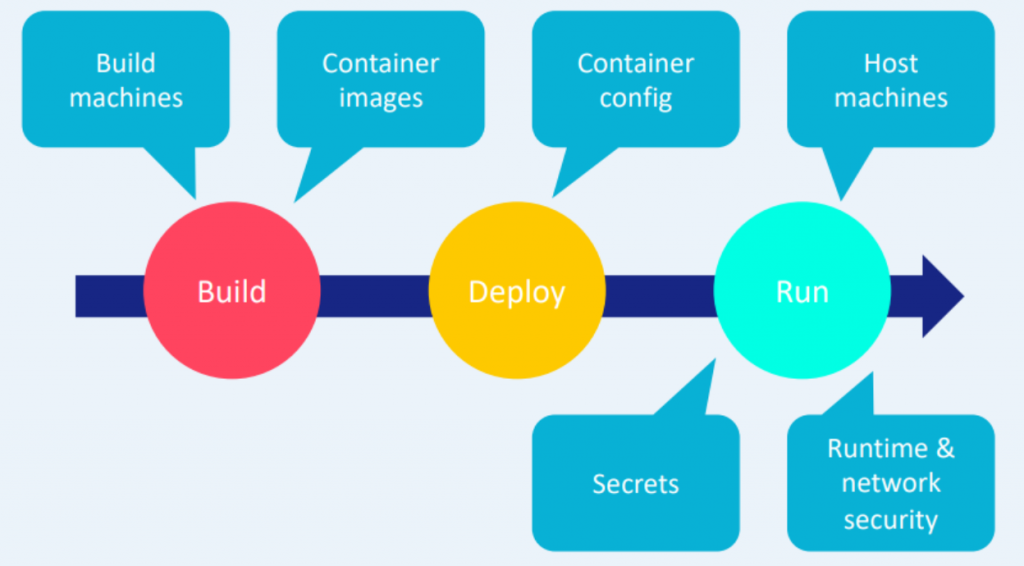
Securing containers is crucial to ensure the integrity and stability of your applications. Here is a detailed process to help you secure containers effectively:

Use Trusted Base Images:

  • Start with trusted base images from official repositories or reputable sources.
  • Regularly update and patch base images to include the latest security fixes.
  • Avoid using outdated or unsupported base images.
Implement Secure Container Image Practices:

  • Minimize the attack surface by removing unnecessary packages and dependencies from the container image.
  • Only include essential libraries and binaries required by your application.
  • Follow the principle of least privilege when setting up user privileges and access controls within the container.

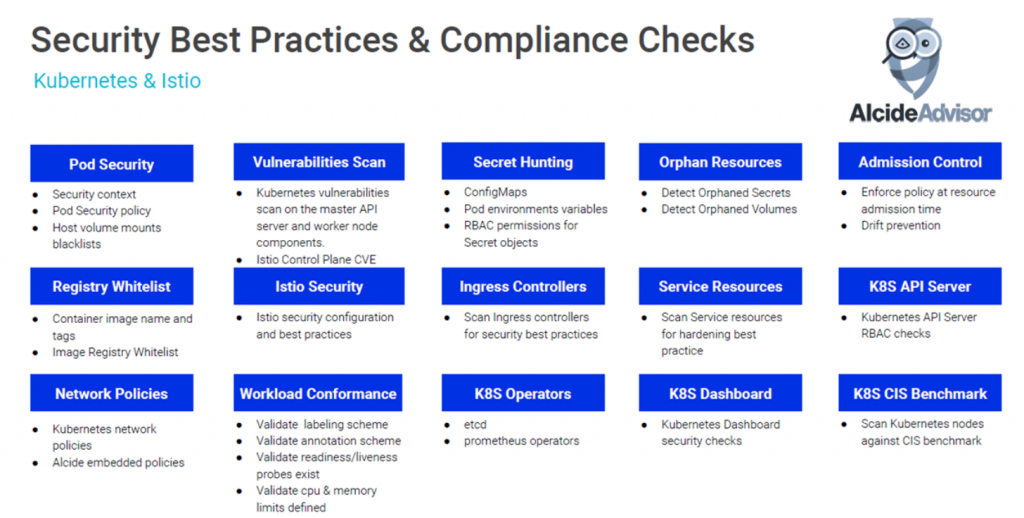
Scan Container Images for Vulnerabilities:

  • Utilize container image scanning tools to identify and remediate vulnerabilities.
  • Regularly scan container images, both during the development phase and before deployment.
  • Integrate vulnerability scanning into your CI/CD pipeline to automate the process.
  • Ensure Secure Image Distribution:

Store container images in secure and trusted container registries.

  • Implement access controls and authentication mechanisms to restrict access to container images.
  • Utilize image signing and verification to ensure the integrity and authenticity of the images.

Container Runtime Security:

  • Utilize container runtime security mechanisms provided by the container runtime engine (e.g., Docker, containerd):
  • AppArmor or SELinux: Enable mandatory access control policies to restrict container actions.
  • Seccomp: Define system call filters to restrict the capabilities of the container.
  • Namespaces: Isolate containers by creating separate namespaces for processes, network, and file systems.
  • Enable read-only file systems within the container to prevent unauthorized modifications.
  • Restrict container resource usage to prevent resource exhaustion attacks.

Secure Container Orchestration:

  • Implement proper authentication and authorization mechanisms for container orchestration platforms like Kubernetes:
  • Use RBAC (Role-Based Access Control) to assign appropriate permissions to users and service accounts.
  • Enable encryption for communication channels within the container orchestration platform.
  • Restrict access to the Kubernetes API server and control API server security settings.

Implement Network Segmentation:

  • Utilize network policies or firewall rules to control inbound and outbound network traffic for containers.
  • Implement container network isolation to prevent unauthorized communication between containers.

Monitor Container Behavior:

  • Monitor container activities and behaviors for any abnormal or suspicious activities.
  • Leverage container runtime security tools and solutions to detect potential threats and vulnerabilities.
  • Implement centralized logging and monitoring solutions to collect container logs and monitor for security events.

Secrets Management:

  • Avoid hardcoding sensitive information like passwords, API keys, or tokens in container images.
  • Utilize secrets management solutions provided by your container orchestration platform (e.g., Kubernetes Secrets) or external tools (e.g., HashiCorp Vault) to store and manage secrets securely.
  • Encrypt and protect secrets at rest and in transit.

Regularly Update and Patch Containers:

  • Stay updated with security advisories and patches released by the container runtime engine, base images, and the underlying operating system.
  • Establish a process to regularly update and patch containers with the latest security fixes.

Continuous Security Testing and Auditing:

  • Perform regular security assessments, penetration testing, and vulnerability scanning for containers.
  • Conduct security audits to ensure compliance with security best practices and policies.
  • Address identified vulnerabilities and weaknesses promptly.

Education and Training:

  • Educate developers and operations teams on container security best practices.
  • Provide training on secure container configuration, image scanning, and secure coding practices.
Post Views: 1,269
Subscribe
Login
Notify of
guest
guest
0 Comments
Oldest
Newest Most Voted
Inline Feedbacks
View all comments
  • Strategies to Align DevSecOps With Agile and DevOps Practices
  • How to Fix Laravel Migration Error: Field ‘id’ Doesn’t Have a Default Value in the Migrations Table
  • A Practical Guide to Proving DevSecOps Business Value for Engineering Leaders
  • Mastering Secure Software Delivery by Solving DevSecOps Adoption Challenges
  • Operationalizing Security for Faster and Safer Software Deployments
  • DevSecOps Server Security Checklist 2026: 50 Must-Check Points Before Going Live
  • The Complete DevOps Salary Overview for IT Professionals
  • The Modern DevOps Certification Guide: Roadmaps for Every Engineering Role
  • Security Champions in DevSecOps: Responsibilities and Best Practices
  • The DevSecOps Handbook for Shift-Left Security
  • Top DevSecOps Principles for Effective Secure Software Delivery
  • Guide to DevSecOps Maturity Levels for Platform and Security Teams
  • Canada PR CRS Calculator: Express Entry Points System Explained
  • Austria PR Points Calculator: Ultimate Guide to Navigating the Red-White-Red Card System
  • The Essential Guide to Enterprise DevSecOps Implementation
  • How to Set Up Claude Code Agent on a Local Windows Laptop and Use claude Command from Anywhere
  • DevOps and DevSecOps Explained: Bridging the Gap Between Speed and Security
  • Comprehensive Manual on DevOps Methodologies and Cloud Native Engineering
  • The Master Guide to Immigration Points: Calculating Your Path to Canada, Australia, and Beyond
  • How to Skip the Activation Email and Password Reset After Google Login in Keycloak Auto-Link Existing Users in First Broker Login
  • Free SSL Certificate Generation Tutorial for Any Website Using Certbot and Apache
  • The Ultimate Guide to Certified FinOps Professional: Skills, Levels, and Career Impact
  • Certified FinOps Manager: Essential Skills for Modern Cloud Operations
  • How to Use Claude AI for Programming: Complete Guide for Developers to Boost Productivity
  • The Definitive Guide to Certified FinOps Engineer: Master Cloud Value Engineering
  • A Comprehensive Guide to the Certified FinOps Architect Certification and Training
  • Linux Server Diagnostic Commands: Complete Guide for Performance, Network & System Troubleshooting
  • The Ultimate Guide to CDOM – Certified DataOps Manager Certification
  • The Practical Path to AI Reliability: A Guide to the Certified MLOps Manager
  • Master the Machine Learning Lifecycle:Guide to Becoming a Certified MLOps Architect

Recent Comments

  1. emmy day on SQLSTATE[42S22]: Column not found: 1054 Unknown column ‘provider’ in ‘field list’
  2. digital banking on Complete Tutorial: Setting Up Laravel Telescope Correctly (Windows + XAMPP + Custom Domain)
  3. SAHIL DHINGRA on How to Uninstall Xampp from your machine when it is not visible in Control panel programs & Feature ?
  4. Abhishek on MySQL: List of Comprehensive List of approach to secure MySQL servers.
  5. Kristina on Best practices to followed in .httacess to avoid DDOS attack?

Archives

  • June 2026
  • May 2026
  • April 2026
  • March 2026
  • February 2026
  • January 2026
  • December 2025
  • November 2025
  • October 2025
  • September 2025
  • August 2025
  • July 2025
  • June 2025
  • May 2025
  • April 2025
  • March 2025
  • February 2025
  • January 2025
  • December 2024
  • November 2024
  • October 2024
  • September 2024
  • August 2024
  • July 2024
  • June 2024
  • May 2024
  • April 2024
  • March 2024
  • February 2024
  • January 2024
  • December 2023
  • November 2023
  • October 2023
  • September 2023
  • August 2023
  • July 2023
  • May 2023
  • April 2023
  • March 2023
  • February 2023
  • January 2023
  • December 2022

Categories

  • Ai
  • AI Blogging
  • AiOps
  • ajax
  • Android Studio
  • Antimalware
  • Antivirus
  • Apache
  • Api
  • API Security
  • Api Testing
  • APK
  • Aws
  • Bike Rental Services
  • ChatGPT
  • Code Linting
  • Composer
  • cPanel
  • Cyber Threat Intelligence
  • Cybersecurity
  • Data Loss Prevention
  • Database
  • dataops
  • Deception Technology
  • DeepSeek
  • Devops
  • DevSecOps
  • DevTools
  • Digital Asset Management
  • Digital Certificates
  • Docker
  • Drupal
  • emulator
  • Encryption Tools
  • Endpoint Security Tools
  • Error
  • facebook
  • Firewalls
  • Flutter
  • git
  • GITHUB
  • Google Antigravity
  • Google play console
  • Google reCAPTCHA
  • Gradle
  • Guest posting
  • health and fitness
  • IDE
  • Identity and Access Management
  • Incident Response
  • Instagram
  • Intrusion Detection and Prevention Systems
  • jobs
  • Joomla
  • Keycloak
  • Laravel
  • Law News
  • Lawyer Discussion
  • Legal Advice
  • Linkedin
  • Linkedin Api
  • Linux
  • Livewire
  • Mautic
  • Medical Tourism
  • MlOps
  • MobaXterm
  • Mobile Device Management
  • Multi-Factor Authentication
  • MySql
  • Network Traffic Analysis tools
  • Paytm
  • Penetration Testing
  • php
  • PHPMyAdmin
  • Pinterest Api
  • Quora
  • SAST
  • SecOps
  • Secure File Transfer Protocol
  • Security Analytics Tools
  • Security Auditing Tools
  • Security Information and Event Management
  • Seo
  • Server Management Tools
  • Single Sign-On
  • Site Reliability Engineering
  • soft 404
  • software
  • SSL
  • SuiteCRM
  • SysOps
  • Threat Model
  • Twitter
  • Twitter Api
  • ubuntu
  • Uncategorized
  • Virtual Host
  • Virtual Private Networks
  • VPNs
  • Vulnerability Assessment Tools
  • Web Application Firewalls
  • Windows Processor
  • Wordpress
  • WSL (Windows Subsystem for Linux)
  • X.com
  • Xampp
  • Youtube
©2026 DevSecOps Now!!! | WordPress Theme: EcoCoded
wpDiscuz