Master Full Stack QA with DevOpsSchool’s FSQCP Course: Your Path to Excellence in Software Testing
Introduction: Why Full Stack QA Matters Today In the fast-paced and ever-evolving tech landscape, quality assurance (QA) has become a cornerstone of successful software development. As businesses…
Transform Your Career with the Full Stack Developers Certified Professional (FSDCP) Course by DevOpsSchool
In the rapidly evolving tech world, Full Stack Developers are more in demand than ever before. These professionals are capable of working on both the frontend (client-side)…
Unlock Your Agile Potential: Agile Developers Certification by DevOpsSchool
The Rise of Agile Development in Modern Software Practices Agile development has swiftly become a transformative approach in software development, empowering teams to work collaboratively, adapt swiftly…
Full Stack Developers Certification: Your Gateway to Modern Tech Mastery
So, what’s Full Stack Development all about? Simply put, it’s the skill of building both the face and backbone of web applications—everything from eye-catching interfaces to robust…
Keycloak ↔ WordPress SAML SSO (miniOrange) — Complete Step‑by‑Step Tutorial
This guide shows how to integrate Keycloak (as Identity Provider / IdP) with WordPress (as Service Provider / SP) using the miniOrange SAML Single Sign-On plugin. It’s…
Keycloak 26.3.3 — Resetting the Admin Password (Step-by-Step Guide)
👉 Now, the only way to create/reset the admin user is by using environment variables KEYCLOAK_ADMIN and KEYCLOAK_ADMIN_PASSWORD before starting the server. If an admin account already…

Motoshare – Free Vehicle Rental Management Software for Bikes, Cars & More
What is Motoshare? A Next-Generation Vehicle Management and Rental Software In today’s fast-paced world, rental services for vehicles—whether bikes, cars, or bicycles—are becoming more popular than ever….
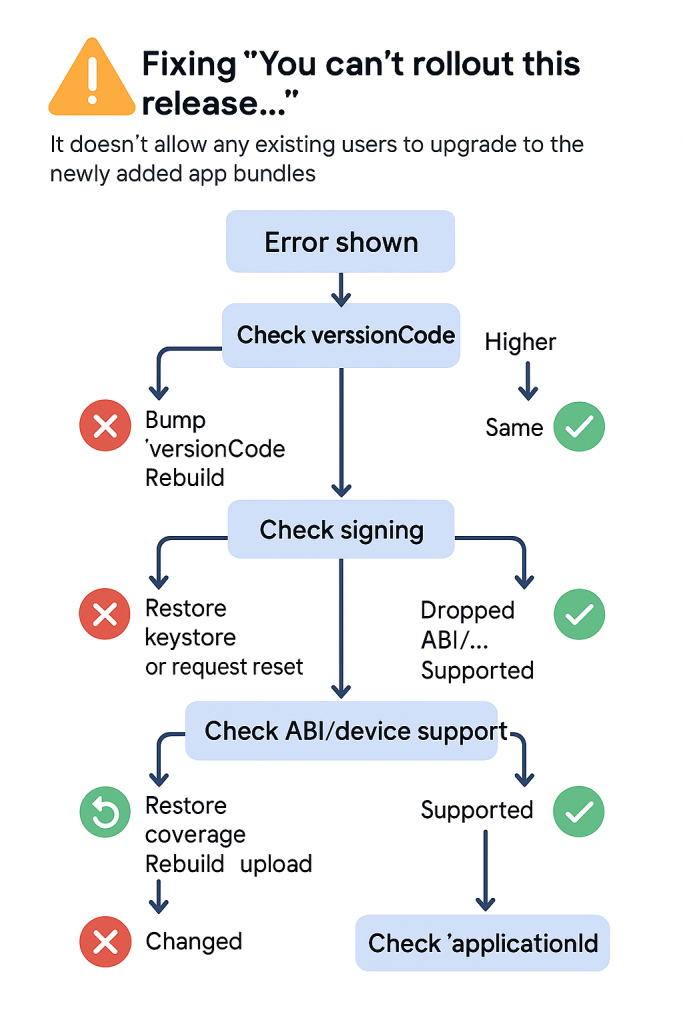
Fixing “You can’t rollout this release because it doesn’t allow any existing users to upgrade to the newly added app bundles” (Google Play Console)
What the error actually means Play Console is telling you: some (or all) users who already installed your app cannot upgrade to the new build. That happens…
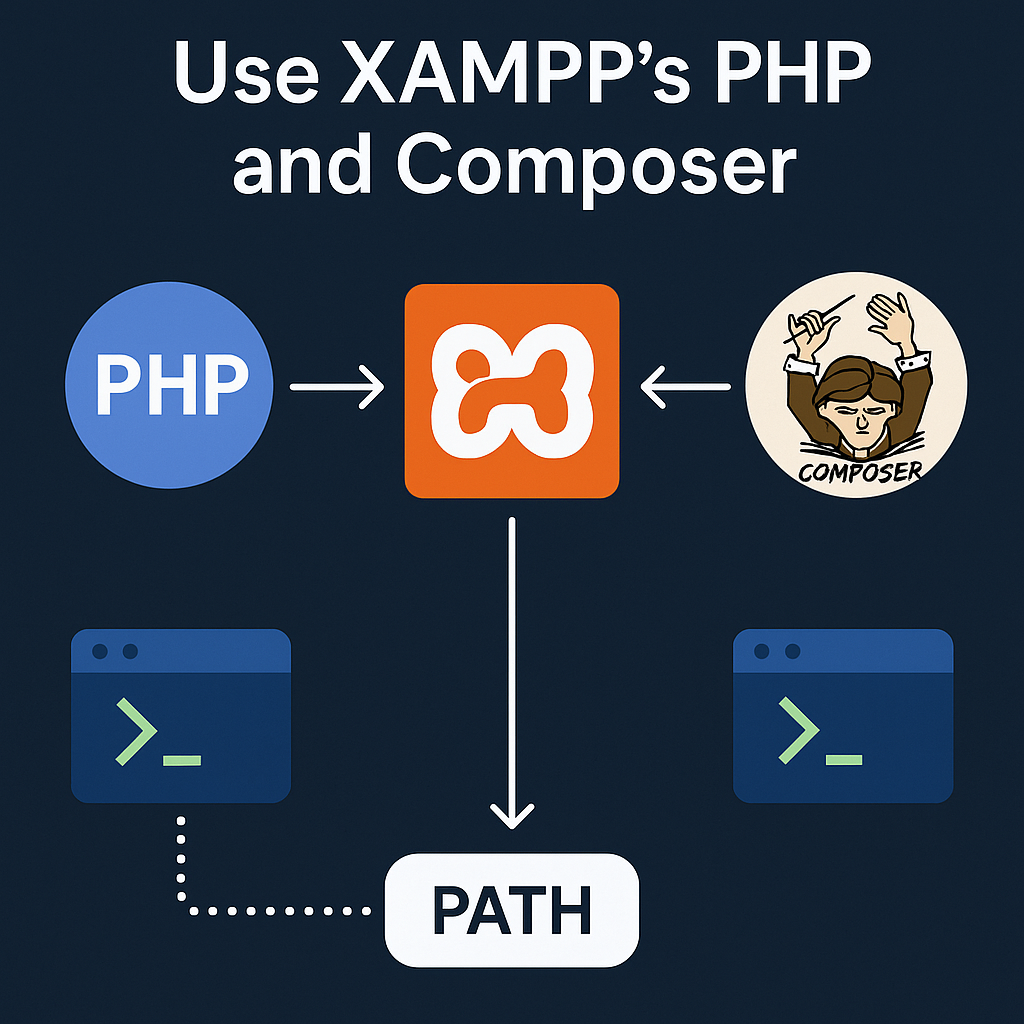
How to Use XAMPP’s PHP and Composer on Linux
XAMPP is a popular all-in-one package that ships with Apache, MySQL, PHP, and other tools. On Linux, XAMPP installs its own copy of PHP inside /opt/lampp/bin/. If…
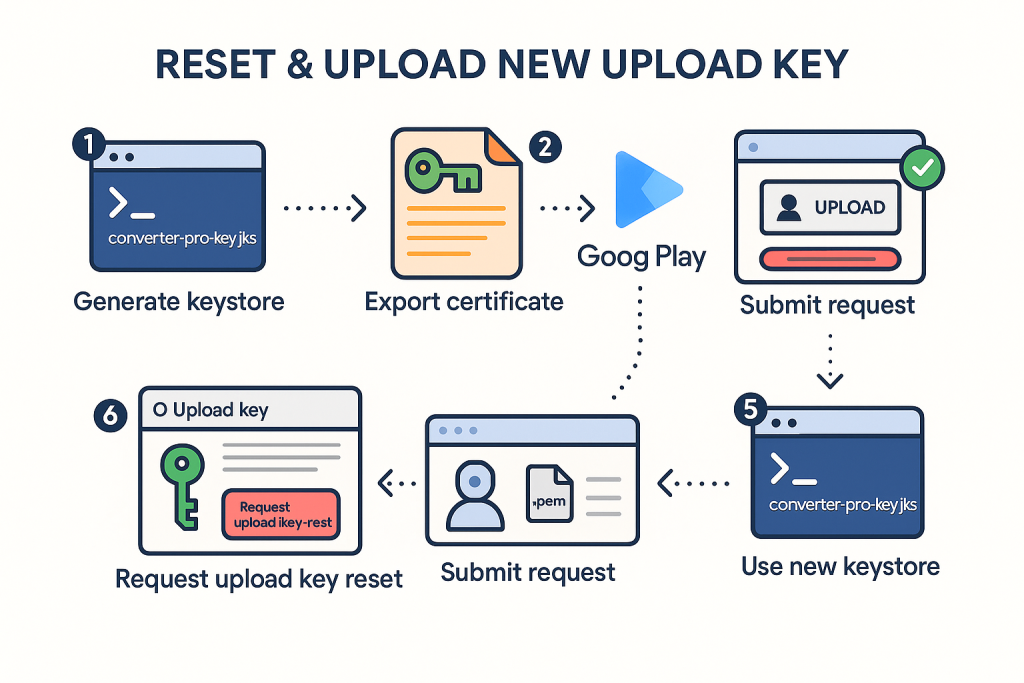
Tutorial: Resetting & Uploading a New Upload Key for Google Play Console Apps
Why This is Needed Step 1: Generate a New Upload Key On the development machine (Windows, macOS, or Linux): 👉 This creates a new keystore (.jks) file….