Limited Time Offer!
For Less Than the Cost of a Starbucks Coffee, Access All DevOpsSchool Videos on YouTube Unlimitedly.
Master DevOps, SRE, DevSecOps Skills!
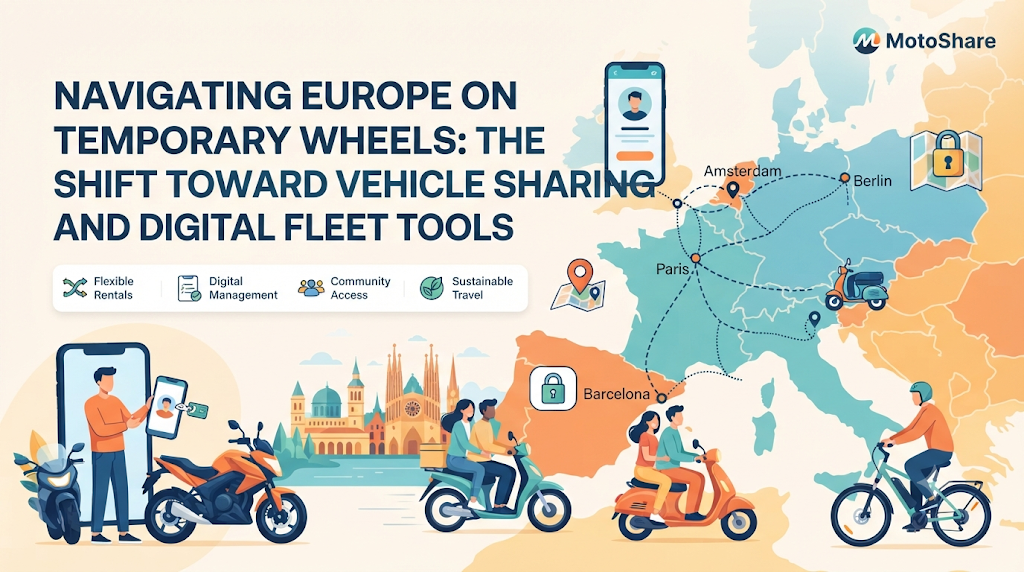
1. Introduction: Two Sides of Europe’s Changing Rental Market
Europe’s transit habits are constantly evolving. Whether it is a weekend traveler chasing mountain curves, a commuter dodging traffic in a historic city, or an independent rental shop owner trying to scale operations, transportation needs are diversifying. At any given moment, someone is searching for temporary wheels for a trip, while another individual has a motorcycle, scooter, or car sitting entirely unused in a garage.
Bringing these two worlds together takes far more than a standard storefront rental agency. Today’s European mobility network depends on online marketplaces that link people needing short-term transport with those who have idle vehicles. By smoothing out bookings and connecting supply with demand, these digital platforms have reshaped how people find and manage rides. Platforms like MotoShare operate within this space as Europe-focused vehicle rental marketplaces, helping unite independent owners, boutique rental operators, and eager travelers under one digital umbrella.
2. The Rider’s Perspective: Finding the Right Vehicle for a European Journey
Choosing the ideal vehicle for a European trip requires looking at logistics long before scrolling through photo galleries or sorting by the lowest price tag. A successful excursion starts by evaluating practical travel needs rather than picking a ride based purely on looks. Different itineraries call for entirely different modes of transport:
- Motorcycle touring: Built for long-distance highway stretches, sweeping alpine passes, and cross-border road trips where engine power, rider comfort, and luggage space are paramount.
- City scooters: Perfect for darting through congested metropolitan cores, slipping into narrow parking gaps, and handling quick urban errands.
- Bicycles: Suited for leisure cycling, exploring dedicated regional paths, or enjoying coastal boardwalks at a relaxed pace.
- Cars: Essential when traveling with family, hauling heavy luggage, or navigating variable weather conditions over extended distances.
- Temporary wheels: Useful during personal car servicing, short business relocations, or temporary stays abroad.
Before making a final choice, renters should weigh factors like destination terrain, overall distance, passenger count, luggage volume, driving background, and rental duration. Matching the vehicle directly to these practical constraints guarantees a much safer, smoother trip.
3. Understanding Motorcycle Rental Europe: What Travelers Should Know
For motorcycle enthusiasts planning an international holiday, choosing a motorcycle rental Europe option is often much more practical than shipping or riding your own bike across international borders. Local renting cuts out hefty ferry fees, extreme wear-and-tear, and complex logistics. However, hitting European asphalt on a rented machine means keeping several key considerations in mind:
- Engine displacement: Matching the bike’s cc rating to your actual riding skill level and the type of terrain you intend to cover.
- Licensing rules: Ensuring your domestic driving permit or International Driving Permit aligns with local European classifications and power caps.
- Duration and mileage: Reviewing daily kilometer limits and finding out whether unlimited mileage is available.
- Protective gear: Confirming whether helmets, jackets, boots, and gloves are included or need to be packed separately.
- Insurance and liability: Understanding damage excess amounts, security deposits, and roadside recovery options.
- Handover logistics: Agreeing on precise pickup locations, key exchange steps, and physical inspection protocols.
- Local traffic laws: Researching country-specific mandates, such as highway vignette stickers, headlight requirements, and environmental entry zones.
Because traffic regulations, licensing laws, and insurance frameworks change drastically from one European country to the next, it pays to research ahead. Furthermore, bike availability relies entirely on active local listings rather than uniform continent-wide coverage.
4. Beyond Traditional Rental Companies: How Peer-to-Peer Motorcycle Sharing Works
The traditional model of renting exclusively from massive commercial fleets has expanded significantly with the rise of peer-to-peer sharing. In this arrangement, private motorcycle owners make their eligible, parked machines available to verified riders during periods of non-use. This decentralized approach gives travelers more options while helping owners offset routine maintenance, insurance, and storage costs.
A successful peer-to-peer exchange relies on transparency, mutual respect, and a structured process:
- Accurate vehicle descriptions: Detailing the exact make, model, year, modifications, and general mechanical health.
- Genuine photographs: Uploading recent, high-resolution pictures from multiple angles to document the bike’s actual physical state.
- Transparent rental terms: Outlining specific usage boundaries, geographic restrictions, and fuel guidelines.
- Open communication: Discussing riding experience, route plans, and handover timing prior to confirmation.
- Secure booking: Locking in dates, payments, and security holds safely through the platform.
- Physical walk-through: Conducting a joint inspection before and after the trip to record mileage and any preexisting wear.
- Proper insurance: Verifying that adequate protection plans apply specifically to peer-to-peer sharing transactions.
When examining peer to peer motorcycle rental Europe, the contrast with conventional rental businesses is clear. While traditional shops manage centralized commercial fleets, peer-to-peer marketplaces rely on community trust and individual owners, making clear listings and strong communication essential.
5. What Does a Motorcycle Rental Really Cost in Europe?
Budgeting for a road trip means looking closely at the real motorcycle rental cost Europe travelers face. Pricing is never uniform; instead, it shifts based on a combination of economic and seasonal factors:
- Vehicle type and engine size: Smaller scooters and commuter bikes command lower daily fees, while high-capacity touring bikes and premium brands carry higher rates.
- Season and location: Peak summer months in popular tourist regions drive up demand and prices, whereas shoulder seasons or quiet rural areas offer better value.
- Rental duration: Booking by the week or month frequently triggers tiered pricing discounts.
- Security deposits: Refundable holds taken to cover potential minor damages or traffic fines during the trip.
- Insurance tiers: Basic coverage bundled in the base price versus comprehensive packages that lower out-of-pocket deductibles.
- Mileage allowances: Standard daily distance caps versus unlimited mileage packages for long-distance touring.
- Accessories and extras: Fees for GPS units, luggage panniers, riding gear rentals, or secondary riders.
- Delivery fees: Charges for dropping off or retrieving the vehicle outside designated hub locations.
Travelers should avoid relying on generalized pricing averages or assuming that rates in one nation represent the entire continent. Reviewing actual local listings ensures complete financial clarity before confirming a reservation.
6. The Business Behind Every Booking: Why Rental Operators Need Better Management
While customers look forward to an effortless weekend ride, the daily administration behind the counter tells a different story. Independent motorcycle rental shops, scooter providers, bicycle rental outlets, and boutique car rental businesses face a complex web of tasks. Once a fleet grows past a handful of vehicles, manual spreadsheets and paper records quickly break down.
Common operational challenges include:
- Managing overlapping dates: Keeping track of multiple bookings without accidentally double-booking a single vehicle.
- Avoiding conflicts: Reconciling reservations coming in across phone, email, and digital channels.
- Tracking live availability: Knowing instantly which vehicles are on the road, which are in the workshop, and which are ready to rent.
- Maintaining customer records: Securely storing client contact information, verified IDs, licences, and rental histories.
- Monitoring payments: Tracking security deposits, rental balances, cancellation fees, and outstanding invoices.
- Logging maintenance: Scheduling routine servicing, tire replacements, safety checks, and repairs on time.
- Coordinating communication: Responding to inquiries, sending booking confirmations, and managing handover logistics efficiently.
Without an organized digital system, small operators spend precious hours pushing paper rather than focusing on customer service and fleet growth.
7. Can Free Vehicle Rental Management Software Support Small Businesses?
To combat administrative fatigue, many independent operators turn to specialized digital tools. The availability of free vehicle rental management software has lowered the barrier to entry for smaller enterprises looking to digitize workflows without significant upfront expenses.
When evaluating these tools, businesses generally look for core capabilities:
- Fleet databases: Centralized digital records tracking asset details, registration numbers, and current statuses.
- Reservation administration: Systems to build, update, and track customer bookings from inquiry to return.
- Availability calendars: Visual dashboards displaying real-time fleet schedules to prevent booking overlaps.
- Client management: Secure repositories for customer profiles and verification files.
- Payment tracking: Basic ledgers or integrated tools to monitor incoming revenue and deposits.
- Operational reports: Summaries showing earnings by vehicle, period, or booking channel.
While software brings clear efficiency gains, operators should read the fine print. Free software tiers often come with limitations, such as restricted feature sets, caps on total vehicle counts, basic data security levels, or paid upgrade requirements for advanced reports. MotoShare’s advertised free vehicle rental management software serves as an example of accessible digital infrastructure, though operators should always verify current plan specifics and feature inclusions before trusting a platform with their fleet.
8. One Rental Operation, Different Tools: Cars, Bikes, and Scooters
Every fleet operates differently, meaning software solutions must match the unique workflow requirements of the specific business model.
Car Rental Operations
Automobile rentals involve extensive paperwork, strict compliance checks, and formal legal contracts. Businesses utilizing free car rental software need robust systems capable of storing driver’s licence copies, managing insurance add-ons, tracking multi-week reservation schedules, and recording pre-existing vehicle scratches or dent reports during handovers.
Bike Rental Businesses
Bicycle fleets, whether urban city bikes or mountain models, require high-volume tracking with rapid turnover. Implementing dedicated bike rental software helps shops manage diverse frame sizes, accessory add-ons like helmets and locks, short-term hourly durations, and quick-turnaround safety inspections between users.
Scooter Rental Services
Scooter rentals are characterized by high transaction frequency, short durations, and significant wear. Using specialized scooter rental software helps operators monitor daily vehicle turnover, track live street availability, schedule prompt battery or fuel top-ups, and log urgent maintenance interventions efficiently.
Ultimately, software needs vary widely depending on fleet size, business model, and the pace of the rental cycle.
9. The Booking System Behind a Smooth Rental Experience
A seamless transaction depends heavily on an intuitive vehicle rental booking system that bridges the gap between customer discovery and backend management. When customer-facing discovery tools and operational software function harmoniously, the entire rental journey becomes structured and predictable.
A well-designed booking process typically follows several essential stages:
- Searching by location and dates: Allowing users to filter results based on geographic proximity, vehicle category, and open availability windows.
- Reviewing listings: Presenting high-resolution photographs, technical specifications, and transparent daily rates.
- Checking rental conditions: Displaying mileage limits, insurance deductibles, deposit amounts, and specific provider rules.
- Requesting or confirming a reservation: Submitting booking dates and rider verification details for approval or instant confirmation.
- Coordinating payment and collection: Processing deposits and rental fees securely while scheduling exact handover times and locations.
- Managing the rental period: Providing ongoing support, modification options, and clear communication channels during the active trip.
- Completing the return process: Conducting the final vehicle inspection, settling remaining balances, and finalizing the rental record.
Marketplace discovery platforms and business-management tools complement one another by ensuring that customer inquiries translate accurately into organized backend schedules without requiring redundant manual data entry.
10. From Vehicle Owner to Rental Partner: Creating a New Opportunity
The supply side of the modern rental market extends far beyond traditional commercial shops. Everyday vehicle owners increasingly explore ways to monetize assets that spend most of their time idle in garages or driveways.
For motorcycle owners, deciding to rent out my motorcycle involves a thoughtful evaluation process:
- Assessing vehicle suitability: Ensuring the machine is mechanically sound, well-maintained, and appealing to potential riders.
- Checking legal and insurance requirements: Verifying registration details and understanding the specific coverage policies provided by the platform.
- Preparing maintenance records: Compiling service histories to demonstrate the motorcycle’s reliability to prospective renters.
- Creating a detailed listing: Writing clear descriptions, highlighting standout features, and noting any specific riding instructions.
- Setting rental availability: Designating specific weekends, months, or continuous date ranges when the vehicle is ready for use.
- Communicating with potential renters: Answering questions regarding riding style, handling characteristics, and trip suitability.
- Organizing handovers and returns: Meeting renters safely to inspect the motorcycle, verify documentation, and hand over keys.
Similarly, vehicle owners looking to list my car for rent follow a comparable path. They must prepare ownership documentation, verify local municipal requirements, ensure clean interior and exterior conditions, and establish clear guidelines for vehicle usage. While owner participation offers an avenue for supplementary income, earnings are never guaranteed, and eligibility depends entirely on vehicle condition, local demand, and platform verification standards.
11. What Makes a European Rental Marketplace Worth Considering?
With numerous platforms operating across the continent, both renters and rental businesses must evaluate which marketplaces merit their time and trust. A reliable platform should deliver distinct value to each user group.
For renters, key evaluation criteria include:
- Relevant local listings: Access to active, geographically accurate vehicle options near their travel destination.
- Clear vehicle information: Transparent specifications, honest photographs, and detailed condition notes.
- Transparent rental conditions: Unambiguous terms regarding insurance, deposits, mileage caps, and cancellation policies.
- Realistic availability: Up-to-date calendars that reflect genuine vehicle readiness.
- Booking communication: Responsive messaging channels connecting the renter directly with the provider or owner.
- Insurance and payment clarity: Secure transaction processing and clear explanations of coverage limits.
For vehicle owners and independent businesses, essential marketplace traits include:
- Listing visibility: Effective search placement that reaches active travelers and local residents.
- Booking administration: Intuitive tools to accept, decline, or modify reservation requests.
- Fleet organization: Centralized dashboards to manage multiple vehicles under a single account.
- Customer management: Reliable communication logs and renter verification records.
- Operational convenience: Streamlined workflows that reduce administrative overhead.
- Clear marketplace terms: Transparent commission structures, payout schedules, and support policies.
Evaluating a platform based on genuine usability, reliable data, and user feedback ensures a safer and more predictable rental experience for all parties involved.
12. The Challenges of Expanding a Vehicle Rental Marketplace Across Europe
Operating or participating in a vehicle rental marketplace across diverse European territories presents unique logistical hurdles. Unlike localized domestic platforms, a cross-border ecosystem must navigate fragmented regional environments:
- Country-specific rental regulations: Adhering to varying national laws governing vehicle safety inspections, commercial licensing, and consumer protection.
- Driving licence differences: Navigating varying international permit recognitions, age restrictions, and vehicle power classifications.
- Insurance requirements: Integrating compliance frameworks that satisfy legal standards across multiple sovereign jurisdictions.
- Currency and payment arrangements: Managing cross-border transactions, multi-currency pricing, and secure payout distributions.
- Language and customer communication: Providing multilingual support interfaces and clear communication channels for international users.
- Seasonal demand: Adapting to drastic fluctuations between heavy summer tourism and quieter winter months across different European climates.
- Vehicle maintenance: Ensuring high mechanical standards across decentralized private owners and independent shops.
- Local inventory availability: Recognizing that active vehicle density varies heavily from major metropolitan hubs to rural regions.
Building trust across these varied markets requires accurate location-based data, verified provider credentials, and transparent operational standards.
13. Where Vehicle Sharing and Rental Technology May Go Next
As digital infrastructure evolves, the European rental market continues to embrace new efficiencies. Innovations in digital booking interfaces, automated fleet management dashboards, and location-based discovery tools are steadily refining how travelers interact with transport providers. Furthermore, the gradual rise of electric motorcycles, scooters, and cars is prompting platforms to adapt their listing categories, charging guidance, and maintenance tracking requirements.
At the same time, the fundamental pillars of successful rentals remain unchanged. Technology can streamline reservations, simplify communications, and organize fleet calendars, but it cannot replace proper mechanical maintenance, rigorous legal compliance, adequate insurance, and attentive customer service. Independent vehicle owners and small rental operators who combine modern digital management tools with dependable physical operations will remain best positioned to thrive in Europe’s dynamic mobility market.
14. Conclusion: Connecting European Riders With Smarter Rental Operations
The ongoing transformation of Europe’s rental market points directly to a growing demand for flexibility, simplicity, and operational clarity. Whether someone needs a scooter for a city break, a motorcycle for an alpine road trip, or a car for a family getaway, digital marketplaces play a crucial role in matching people with the right vehicle. At the same time, independent owners and small businesses rely on structured digital tools to manage bookings, organize fleets, and handle daily tasks.
MotoShare addresses these needs by combining vehicle discovery, peer-to-peer connections, and advertised rental-management features into a single Europe-focused marketplace. By bridging the gap between travelers seeking temporary mobility and providers offering vehicle access, digital platforms continue to build a more connected, efficient, and transparent future for transportation across Europe.
