Limited Time Offer!
For Less Than the Cost of a Starbucks Coffee, Access All DevOpsSchool Videos on YouTube Unlimitedly.
Master DevOps, SRE, DevSecOps Skills!
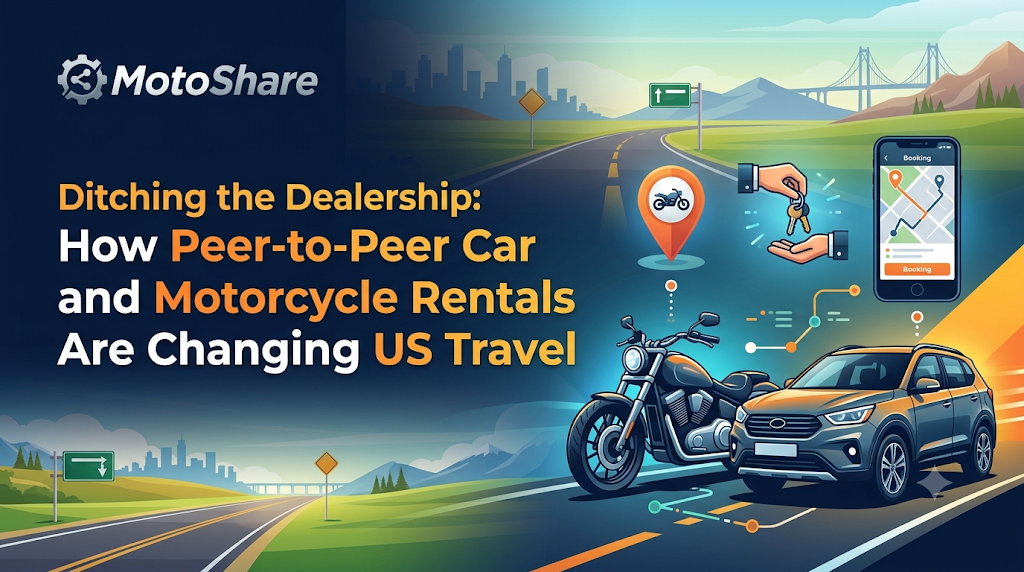
Across the United States, our relationship with the vehicles sitting in our driveways is going through a massive rethink. For generations, the American dream came bundled with a set of car keys: you saved up, bought a vehicle, financed it over several years, paid through the nose for insurance, and absorbed the relentless sting of depreciation. But as living costs climb, garage space gets tighter, and schedules become more variable, owning a dedicated machine for every niche activity—whether that’s a weekend touring bike or a heavy-duty family hauler—just doesn’t pencil out like it used to.
Instead, a growing number of drivers and riders are embracing a simpler concept: why pay to own something year-round when you only need it for a long weekend? Rather than trekking out to generic rental depots at airport hubs or getting locked into long-term lease agreements, people are looking right inside their own zip codes. Digital sharing networks now link vetted motorists directly with local vehicle owners and independent rental businesses nearby. Operating right in this dynamic space, MotoShare functions as a vehicle rental marketplace where travelers can scout, compare, and reserve participating cars, motorbikes, and urban runabouts with total convenience.
Searching Locally: What Does “Motorcycle Rentals Near Me” Really Mean?
When an enthusiast pulls up a phone and types motorcycle rentals near me, they aren’t looking for a glossy travel brochure. They have an immediate itch to ride and want to know what’s sitting within an easy drive right now.
Real-Life Scenarios Sparking Local Bike Searches
Riders search for nearby two-wheelers for plenty of practical reasons:
- Quick Weekend Escapes: Lots of licensed riders live in dense downtown apartments where renting a monthly garage spot costs an arm and a leg. When crisp autumn air or clear summer skies hit, searching locally lets them grab an adventure tourer or classic cruiser for a quick mountain loop without the headache of 365 days of upkeep.
- The Ultimate Extended Test Ride: A ten-minute spin around a dealership’s neighborhood block won’t tell you if a bike will make your knees ache after two hours in the saddle. Renting a prospective model for a couple of days lets riders test ergonomics, engine heat, luggage capacity, and fuel economy on their actual daily commute before laying down serious cash.
- Fly-and-Ride Road Tripping: Grinding out 800 miles of flat interstate just to reach prime riding territory burns up vacation days and flat-spots good tires. Flying into a regional destination and collecting a machine from a neighborhood host means spending every single hour on the twisties you traveled to experience.
- Back-Up Transportation: If a primary commuter bike is sitting in a service bay waiting on parts from overseas, an accessible neighborhood rental keeps a rider rolling without missing a beat.
- Broadening Horizons: A dedicated sportbike pilot might want to sample a relaxed, low-revving V-twin cruiser for a lazy coastal weekend, while a vintage fan might want to experience the instant punch of a modern electric motorcycle.
What Sways the Final Choice?
Distance is the initial filter, but smart renters quickly evaluate the broader picture. They weigh verified pickup schedules, clear daily prices, fair mileage caps, and whether the bike comes pre-fitted with practical gear like tank bags, windscreens, or highway pegs.
Peer-to-Peer Motorcycle Rental: How the Model Works
The shared-economy framework that reshaped boutique lodging has natural synergy with motorcycle culture. Through a peer-to-peer motorcycle rental, an individual owner lists a roadworthy machine on a central hub when they aren’t riding it. The host platform provides the digital infrastructure—vetting identities, managing reservation calendars, coordinating communication, and arranging protection tiers.
Step-by-Step Through the Rental Flow
Renting a bike directly from a fellow enthusiast follows a straightforward routine:
- Detailed Listings & Real Photos: Owners post accurate specs covering displacement, seat height, wet weight, and aftermarket extras. High-quality, unedited photos show the bike’s authentic cosmetic state so there are no surprises at the curb.
- Dates & Booking Confirmation: Renters pick their timeframe. Hosts can either enable instant reservations or review requests individually to verify a rider’s route and comfort level with that specific machine.
- Direct Messaging: In-app chat lets both sides work out the details. Renters can ask about fuel octane, alarm settings, or luggage mounting, while hosts can share specific parking instructions.
- Licensing & Eligibility Checks: Motorcycling requires proven technical skill. Trustworthy platforms require a valid driver’s license carrying an active motorcycle endorsement. Age requirements usually start at 21 or 25, tailored to the bike’s power and applicable policy terms.
- Insurance & Protection Coverage: Robust protection is non-negotiable. While terms depend on the arrangement and state rules, peer-to-peer setups typically integrate statutory liability coverage with dedicated collision and comprehensive damage protections. Both parties should review deductibles, exclusions, and towing provisions ahead of time.
- Handover Walk-Around: The owner and renter inspect the motorcycle side by side. They check tire pressures, tread life, brake pads, and oil levels, taking dated photos of any existing scratches while confirming odometer and fuel readings. The host demonstrates key quirks—from sidestand cutoffs to ride-mode menus—before passing over the key.
Cars, Scooters, and Motorcycles: Choosing the Right Rental
Flexible vehicle networks aren’t limited to one style of travel. Matching your wheels to your passenger count, luggage load, and route conditions makes the journey far more enjoyable.
Cars for Family Hauling, Inclement Weather, and Cargo
When you are traveling with kids, carrying bulky gear, or driving through unpredictable seasonal rain, an enclosed cabin is essential. Browsing for car rentals near me opens up family sedans, fuel-efficient hatchbacks, and spacious all-wheel-drive crossovers built for weather protection and group comfort.
Booking through peer-to-peer car rental lets drivers bypass monotonous rental company fleets to find exact vehicles—like an overland-equipped 4×4 with roof boxes for a national park trek, or an EV with long battery range for an interstate road trip. Cars deliver climate-controlled reliability across hundreds of miles of highway.
Motorcycles for Immersive, Sensory Touring
Riding puts you right into the landscape. On a motorcycle, you feel elevation shifts, smell pine forests, and take in unobstructed vistas. They are tailor-made for solo riders or duos who pack light and want to carve up legendary routes like California’s Pacific Coast Highway or the Tail of the Dragon.
Because storage space is limited to saddlebags and tail packs, motorcycle touring requires disciplined packing and quality weather gear. In return, you get an engaging driving experience no four-door passenger car can duplicate.
Scooters for Low-Stress Urban Cruising
For crowded downtown cores, historic beach towns, and compact resort areas, scooters are hard to beat. Looking up scooter rentals near me turns up nimble step-through rides ranging from 50cc runabouts perfect for neighborhood errands to 150cc and 300cc variants that comfortably tackle wider suburban avenues.
Scooters eliminate parking headaches, sip fuel, and let sightseers take in local sights at an easy pace. In several states, bikes under 50cc can even be operated with a standard driver’s license. Just keep in mind they aren’t engineered for freeways, steep elevation gains, or unpaved routes.
Hilton Head Island: Exploring Local Vehicle Rental Opportunities
Hilton Head Island, South Carolina, is a textbook example of how flexible neighborhood rentals support seasonal travelers and islanders alike. Famous for its sweeping Atlantic beaches, world-class golf fairways, Lowcountry tidal marshes, and quiet moss-covered live oaks, the island draws steady waves of visitors year-round.
Transportation Realities on the Island
While Hilton Head features dozens of miles of paved multi-use paths ideal for pedaling around on a beach cruiser, traveling between private plantation communities, shopping centers along Highway 278, and mainland hubs in Bluffton calls for an engine.
Families flying into regional airports often look for an affordable car rental Hilton Head Island to shuffle beach umbrellas, coolers, and golf bags between villas and public beach parks.
At the same time, visiting motorheads regularly search for a motorcycle rental Hilton Head Island to soak up the coastal breeze and marsh views at an easy pace, cruising down the Cross Island Parkway and exploring the scenic backroads of Beaufort County.
Smart Island Booking Tips
- Confirm Where the Vehicle Sits: Geography matters here. Check whether your vehicle is parked on the island proper or requires a hop over the bridge toward Bluffton.
- Verify Plantation Gate Access: Several popular island communities, like Sea Pines or Palmetto Dunes, enforce specific gate-pass rules and vehicle guidelines. Make sure your rental complies before arriving at the security gate.
- Look Out for Coastal Wear: Salt air, high humidity, and coastal sand can accelerate wear on metal parts. Check that the drive chain, brake rotors, and electrical switches are clean and operating smoothly.
- Book Ahead for Busy Seasons: Summer holiday breaks, spring golf tournaments, and warm autumn weekends put heavy pressure on local vehicle supply. Reserving early guarantees you won’t be left walking.
Before You Book: Making a Confident Rental Decision
Locking in a ride through a vehicle-sharing community is simple, but running through a quick mental checklist prevents headaches down the road.
+--------------------------------------------------------------------+
|                      PRE-TRIP RENTAL CHECKLIST                     |
+--------------------------------------------------------------------+
|  [ ] Credentials: Confirm your license and endorsement are active  |
|  [ ] Insurance: Verify deductibles, liability, and damage limits   |
|  [ ] Mileage Rules: Check daily caps and per-mile excess fees      |
|  [ ] Vehicle Health: Snap clear, dated walk-around photos          |
|  [ ] Pricing: Check platform fees, local taxes, and deposit holds  |
|  [ ] Return Terms: Confirm fuel refill expectations and drop-off   |
+--------------------------------------------------------------------+
Practical Advice for Renters
- Look for Genuine Photos: Steer clear of listings relying purely on generic studio photography. Focus on hosts who share current, well-lit pictures showing the actual condition of the vehicle, including tire wear and accessories.
- Check the Total Out-of-Pocket Price: Never focus solely on the daily base price. Tally up platform administration fees, state and local taxes, selected protection packages, and refundable security deposits.
- Review Daily Mileage Allowances: While some hosts offer unlimited driving, others set daily limits (such as 100 to 150 miles) with set per-mile fees if you go over. Estimate your driving distances before you commit.
- Know the Cancellation Windows: Sudden storms, flight cancellations, or personal emergencies happen. Check whether the listing allows full refunds up to 48 or 72 hours before your scheduled pickup.
- Confirm Refueling Expectations: Most owners ask for the vehicle to be returned with a full tank of fuel or an equivalent battery charge. Ask what octane level the engine needs and hold onto your final gas station receipt.
- Understand Breakdown Support: Make sure you know what to do if you encounter a flat tire or battery issue on the open road. Check whether 24/7 roadside assistance is bundled into your booking.
From Private Vehicle to Rental Opportunity: Can You Rent Out My Motorcycle?
With millions of motorcycles sitting under covers in garages for weeks at a time, it’s completely natural for an owner to think: Can I rent out my motorcycle to help cover maintenance, registration, and monthly payments? Sharing an underused machine can bring in steady supplemental cash, but running a safe, successful listing demands real diligence.
Is Your Bike Right for the Rental Market?
Not every motorcycle in a home garage belongs on a sharing platform. Owners should think objectively about their machine’s profile:
- Mechanical Dependability: A rental bike must be mechanically dialed in. Brakes, clutches, chains, tires, and electrical systems must work without hesitation. Highly customized projects, finicky carburetors, or unconventional control setups will frustrate visiting riders.
- Broad Market Appeal: Mid-displacement nakeds, versatile adventure tourers, and standard cruisers attract the widest pool of responsible, mature riders. Finicky track-oriented superbikes or irreplaceable vintage restorations carry higher risk profiles and specialized upkeep demands.
- Documented Maintenance: Serious hosts keep clean records showing routine oil changes, fresh brake fluid, tire swaps, and factory safety recall work completed by competent mechanics.
Handling Host Duties
Listing a motorcycle is an active responsibility. Hosts need to write clear, honest descriptions, answer renter questions quickly, check rider credentials at pickup, carry out careful inspections, and set competitive day rates. Crucially, hosts must confirm that their chosen platform provides a verified peer-to-peer protection policy that insulates their personal auto policy from third-party liability and damage claims while the bike is rented out.
Turning an Underused Car into a Rental Opportunity
Car owners across the country follow the exact same game plan to get value out of idle family vehicles. A commuter car that sits parked during remote-work days or a secondary crossover can be put to work earning extra income.
Deciding to list my car for rent requires a businesslike mindset:
- Legal & Contract Checks: Before creating a listing, check your state motor vehicle regulations and current financing contracts. If you have an active lease or auto loan, confirm that your paperwork permits participation in peer-to-peer car sharing.
- Cleanliness & Detailing: Wash the exterior and vacuum the cabin thoroughly before each handoff. A spotless car sets a respectful tone, encourages guests to treat it well, and makes it easy to document any new scratches or scuffs upon return.
- Proactive Upkeep: Putting extra rental miles on a car accelerates standard wear. Keep a close eye on brake pads, tire tread, wiper blades, and oil service intervals. Developing a relationship with a trusted local garage keeps the car safe and road-ready.
- Hassle-Free Key Handoffs: Decide whether you want to meet renters face-to-face to explain vehicle controls or install a secure lockbox for contactless handovers. Providing clear parking instructions, entry codes, and return steps keeps the experience smooth.
The Role of Rental Management Tools for Vehicle Owners and Businesses
When an owner expands from renting out a single personal vehicle to running a mini-fleet of cars or bikes, juggling bookings with basic phone notes or wall calendars becomes chaotic. Small independent rental operators and multi-vehicle hosts have to stay on top of daily logistics, from timing cleaning turnarounds to tracking state vehicle inspections.
Essential Management Features
Modern rental software gives fleet operators a unified dashboard to streamline daily chores:
- Central Fleet Database: Store VINs, title records, registration dates, and commercial insurance cards in one easy-to-search hub.
- Unified Booking Calendars: View pickup and drop-off timelines across your full vehicle lineup to prevent double bookings and schedule cleaning windows.
- Customer Records: Keep verified license images, customer contact details, and signed rental agreements safely organized.
- Maintenance & Service Logs: Track scheduled oil changes, tire rotations, and repair receipts to maintain verifiable safety records.
- Earnings & Performance Tracking: Track gross income by vehicle, monitor monthly utilization rates, and stay on top of operating costs.
Evaluating Software Options
Small business operators researching free car rental software need to weigh what no-cost tools actually offer. Basic open-source tools or entry-level tiers can help organize early bookings, but fleet managers should confirm key criteria:
- Data Security: Protecting customer driver’s licenses, addresses, and payment info requires robust, bank-grade encryption.
- Room to Grow: Many free programs restrict the number of vehicles you can list, throttle customer messaging, or lock automated reminders behind paywalls.
- Reliable Tech Support: When a reservation glitch hits on a busy holiday weekend, having real customer support to call on is essential.
- Software vs. Marketplace: Keep in mind that standalone fleet software simply manages vehicles on your own website. It doesn’t generate the wide consumer traffic or ready-to-book travelers provided by an established marketplace like MotoShare.
What Makes a Peer-to-Peer Vehicle Rental Marketplace Trustworthy?
Peer-to-peer vehicle sharing only works when the platform builds real confidence between people who have never met. Handing over the keys of a high-value automobile or motorcycle requires rock-solid community standards and clear operational guardrails.
+--------------------------------------------------------------------+
|                  CORE TRAITS OF A TRUSTED PLATFORM                 |
+--------------------------------------------------------------------+
|  [Vetted Users]        Automated checks on IDs and endorsements    |
|  [Transparent Costs]   Clear checkout totals with zero surprises   |
|  [Solid Protection]    Clearly explained liability and deductibles |
|  [Honest Listings]     Recent, unedited photos and real specs      |
|  [Responsive Support]  Live human assistance when plans go sideways|
+--------------------------------------------------------------------+
What to Look For in a Reliable Platform
- Rigorous Identity Screening: Quality platforms use automated verification to ensure that driver’s licenses, official IDs, and motorcycle endorsements are valid and in good standing before confirming a booking.
- No Hidden Fees: A dependable marketplace shows a full price breakdown before checkout. Surprise processing fees or unexpected handover charges destroy trust.
- Clear Coverage Guidelines: Both hosts and renters need to understand where financial responsibility starts and stops. Plain-English terms covering damage deductibles, liability limits, and roadside towing eliminate stressful guesswork.
- Honest Community Feedback: Two-way review systems let hosts and renters evaluate each other based on communication, punctuality, and vehicle care.
- Accessible Customer Service: When mechanical hiccups, flight delays, or sudden weather fronts disrupt a trip, having access to real, responsive human support keeps problems manageable.
The Road Ahead for Vehicle Sharing in the United States
The shared vehicle ecosystem across America continues to mature as drivers increasingly choose access and flexibility over the permanent burdens of garage ownership. People want memorable experiences and tailored machinery rather than identical rows of corporate rental cars.
New Opportunities on the Horizon
Digital marketplaces allow local operators, mom-and-pop rental outfits, and everyday enthusiasts to connect directly with traveling drivers. In turn, renters gain access to an incredible assortment of machines—from nimble city scooters and long-range electric sedans to overland 4x4s and roaring highway cruisers—unlocking diverse adventures without requiring a personal fleet.
Practical Hurdles to Manage
As peer-to-peer sharing expands, the industry continues to tackle key operational challenges:
- Insurance Coordination: Developing adaptable, affordable commercial policies that comply with varying state liability frameworks remains a complex underwriting balancing act.
- Fleet Safety Standards: Unlike traditional rental depots with dedicated on-site mechanics, peer-to-peer models rely on private owners to keep their equipment in peak shape. Establishing clear, verified maintenance routines is vital for rider and driver safety.
- Local Regulations: Municipalities, state tax departments, and regional airport boards regularly tweak their rules regarding vehicle-sharing services, requiring platforms and hosts to stay agile and compliant.
Making Vehicle Access More Flexible
The traditional belief that every highway adventure demands personal ownership or an inflexible corporate rental contract is being replaced by practical, community-centered alternatives. For travelers across the country, flexible vehicle sharing provides the freedom to match the right machine to the exact trip ahead—whether that means an agile scooter for an afternoon beach run, an all-wheel-drive SUV for a family camping trip, or an open-air motorcycle for a weekend tour through the countryside.
For vehicle owners, shared mobility offers a practical way to offset vehicle costs while sharing their love of the open road with visiting enthusiasts. With verified credential screening, clear protection options, and easy reservation tools, shared mobility creates meaningful value for both renters and hosts. As platforms like MotoShare continue to connect traveling renters, independent owners, and regional operators nationwide, finding your next set of wheels has never been more practical, personal, or accessible.
