Limited Time Offer!
For Less Than the Cost of a Starbucks Coffee, Access All DevOpsSchool Videos on YouTube Unlimitedly.
Master DevOps, SRE, DevSecOps Skills!
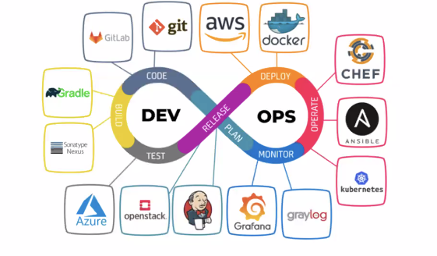
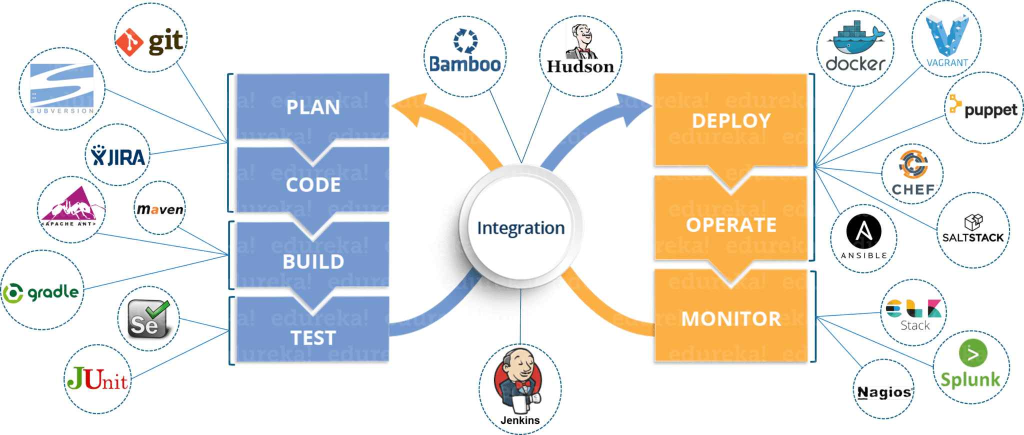
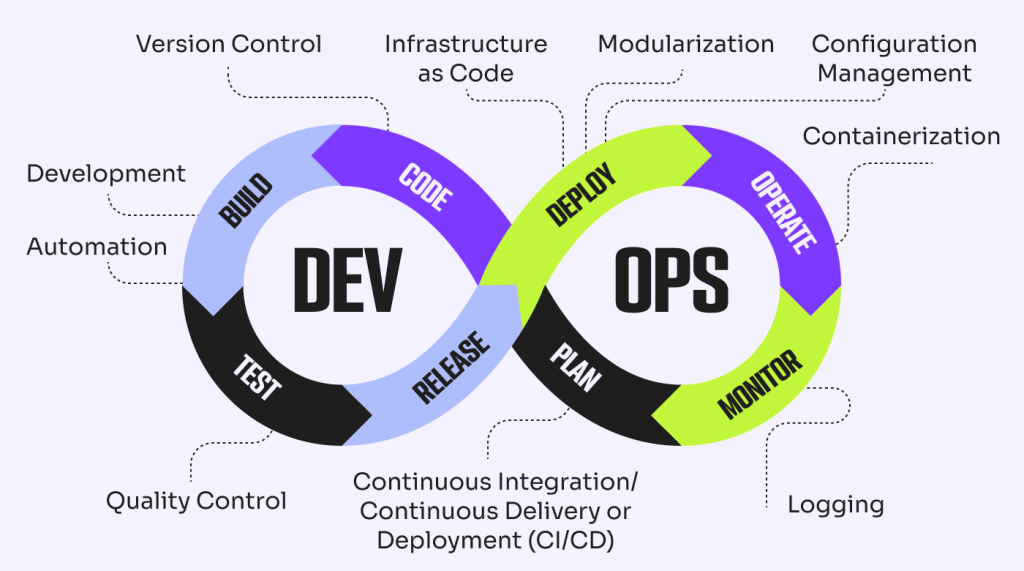
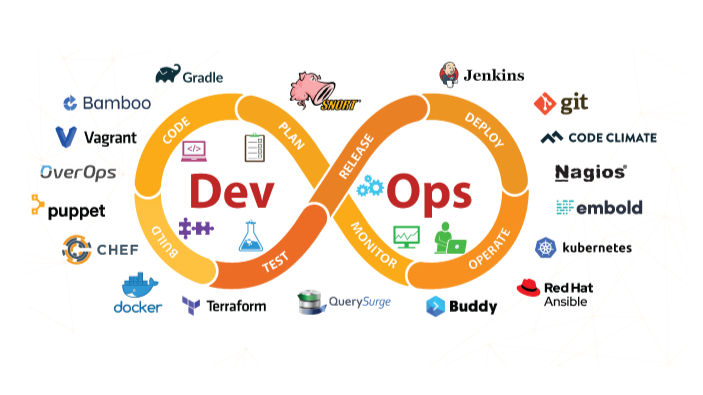
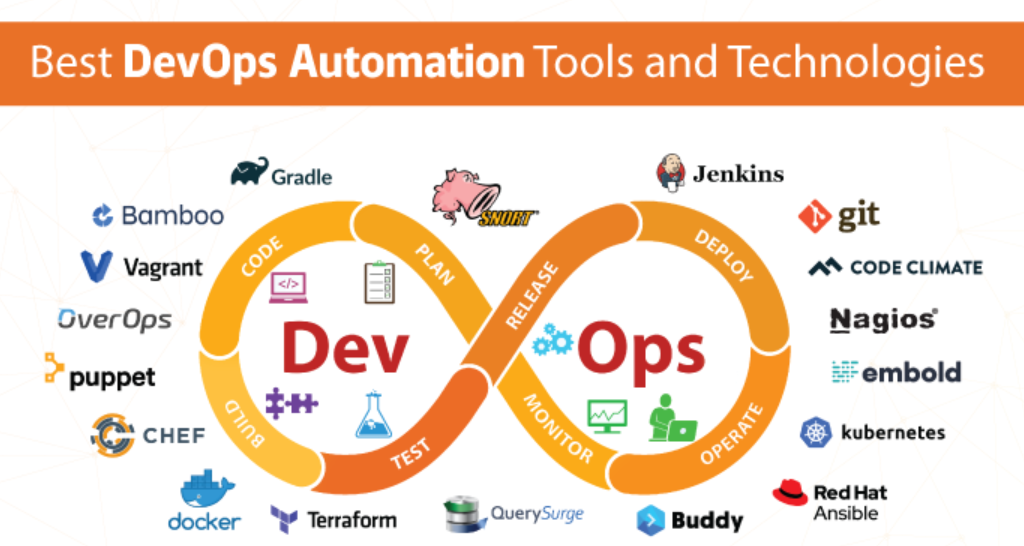
The DevOps model places a strong emphasis on integration, automation, and teamwork between IT operations and development. DevOps teams may produce software more quickly and with greater quality by automating procedures. Numerous solutions are available to automate various stages of the DevOps lifecycle in order to do this. This is a thorough overview to the main DevOps technologies that improve cooperation, automation, and operational effectiveness.
1. Planning: The Foundation of DevOps Success
Planning is a crucial initial phase in the DevOps lifecycle that lays the groundwork for all subsequent development and operational processes. Planning well guarantees that teams have a clear understanding of the project’s requirements, scope, and schedule, which facilitates the alignment of development objectives with corporate goals. Teams may monitor their progress, handle duties, and work together effectively with a variety of tools that are available to help this process. In this domain, Jira and Trello are two of the most widely used software.
Jira: The Agile Project Management Powerhouse
One of the most popular project management solutions in the DevOps and software development fields is Jira, which is made by Atlassian. It is made especially to meet the requirements of agile teams. Here’s a closer look at how Jira makes the planning stage better:
- Jira: Jira is a project management application that facilitates work planning, tracking, and administration for teams. Perfect for monitoring agile initiatives.
- Trello: A visual project management application that facilitates task organization and teamwork via the use of boards, lists, and cards.
2. Source Code Management (SCM): The Backbone of Version Control and Collaboration
Tools for source code management, or SCM, are essential to the DevOps procedure. They facilitate the effective collaboration of several developers on a single project by aiding in the management of source code modifications over time. Additionally, these technologies provide version control, which is essential for software development teams working on big, complicated projects since it guarantees that every change made to the code is logged.
- Git: A distributed version control system that monitors changes in the source code during software development.
- GitHub, GitLab, and Bitbucket: Git repository hosting services that come with extra functionality like issue tracking, collaboration, and CI/CD integration.
3. Code Review: A Cornerstone of DevOps
A crucial DevOps procedure is code review, which entails examining code to spot any problems, enhance quality, and guarantee that coding standards are being followed. Usually, a mix of automated checks and peer reviews is used to accomplish this.
- Crucible: An integrated source control system-integrated collaborative code review tool.
- Gerrit: Git is connected with Gerrit, a free and open-source code review tool.
4. Build Automation
Automating the creation of executable artifacts from source code compilation.
- Jenkins: is an open-source software development, testing, and deployment automation server.
- Maven: A build automation tool that makes project builds easier, mainly for Java applications.
- Gradle: An adaptable tool for build automation that works with several languages, including Groovy, Kotlin, and Java.
5. Continuous Integration (CI)
Tools that facilitate regular code integration into a common repository by developers.
- Travis CI: Travis CI is a continuous integration and testing tool for GitHub-hosted projects.
- CircleCI: An automated continuous integration and delivery (CI/CD) platform for software.
- Bamboo: CI technology Bamboo unifies automated builds, tests, and releases into a unified process.
6. Continuous Testing
Tools for automating the CI process’s test case execution.
- Selenium: An open-source framework called Selenium is used to automate web application testing.
- JUnit: A popular Java testing framework.
- TestNG: A testing framework with additional capabilities like data-driven testing and parallel execution that was modeled after JUnit.
7. Continuous Deployment (CD)
Software deployment to production environments being automated.
- Spinnaker: A multi-cloud continuous delivery platform that enables frequent, safe releases.
- Argo CD: A declarative GitOps continuous delivery tool for Kubernetes.
- Octopus Deploy: A deployment tool that integrates with existing CI/CD pipelines to automate releases.
8. Infrastructure as Code (IaC)
Tools to manage and provision infrastructure using code.
- Terraform: An open-source IaC tool that allows infrastructure configuration to be version-controlled.
- Ansible: An automation tool for provisioning, configuration management, and application deployment.
- Puppet: A configuration management tool that automates infrastructure provisioning and configuration.
9. Containerization
Tools for creating, managing, and deploying containers.
- Docker: A platform for developing, shipping, and running applications inside containers.
- Podman: A daemonless container engine for developing, managing, and running containers.
- Buildah: A tool that builds OCI and Docker images from a Dockerfile or scratch.
10. Orchestration
Tools for managing containerized environments at scale.
- Kubernetes: An open-source container orchestration tool for automating the deployment, scaling, and management of containerized applications.
- Docker Swarm: Docker’s native clustering and orchestration tool.
- OpenShift: A Kubernetes-based platform by Red Hat for deploying and managing containerized applications.
11. Configuration Management
Tools to automate and manage software configurations across servers and environments.
- Chef: A configuration management tool for automating the setup and maintenance of infrastructure.
- SaltStack: An open-source tool for event-driven IT automation and configuration management.
- CFEngine: A configuration management tool for automating large-scale server infrastructure.
12. Monitoring and Logging
Tools that track system health, performance, and log application activities.
- Prometheus: A monitoring and alerting toolkit for infrastructure and applications.
- Grafana: A multi-platform open-source analytics and monitoring solution.
- ELK Stack (Elasticsearch, Logstash, Kibana): A set of tools used for searching, analyzing, and visualizing log data in real-time.
- Nagios: A monitoring system that checks the status of servers, networks, and applications.
13. Security and Compliance
Tools for integrating security into the DevOps pipeline (DevSecOps).
- Aqua Security: A security platform that provides protection for containers and serverless applications.
- Twistlock: A container security platform for protecting cloud-native applications.
- Snyk: A security tool that helps find and fix vulnerabilities in code dependencies.
14. Collaboration
Tools that foster communication and collaboration between team members.
- Slack: A messaging platform for team communication that integrates with various DevOps tools.
- Microsoft Teams: A collaboration and communication platform that integrates with DevOps pipelines.
- Mattermost: An open-source collaboration tool that integrates with CI/CD tools.
15. Version Control Systems
Tools for tracking changes to codebases and other project artifacts.
- Git: A distributed version control system.
- SVN (Subversion): A centralized version control system.
- Mercurial: Another distributed version control system used for managing large repositories.
Conclusion
Choosing the appropriate tools is essential to a DevOps strategy’s success. Every tool has a distinct function in automating various stages of the software development lifecycle, thus it’s critical for enterprises to make informed decisions. These solutions will facilitate process optimization, improve teamwork, and guarantee the delivery of high-caliber software, regardless of your area of focus—continuous integration, infrastructure management, or security.
Teams may effectively deploy DevOps principles that result in quicker delivery, greater quality, and less operational risks by utilizing automation and increasing efficiency with these technologies.