Limited Time Offer!
For Less Than the Cost of a Starbucks Coffee, Access All DevOpsSchool Videos on YouTube Unlimitedly.
Master DevOps, SRE, DevSecOps Skills!
Introduction to API Testing
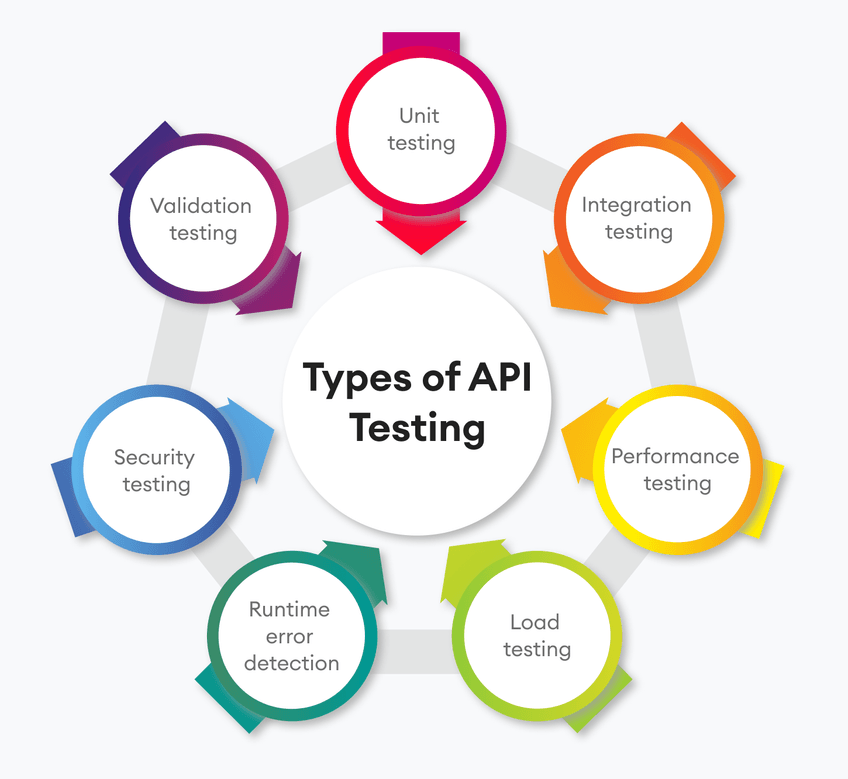
APIs, or application programming interfaces, are now essential for smooth communication between various software systems in today’s digital environment. Ensuring the dependability, security, and performance of APIs is critical as they provide functionality and communication across applications. API testing is an essential procedure that includes confirming and evaluating an API’s numerous features to make sure it satisfies requirements and performs well in various scenarios.
A wide range of testing techniques are included in API testing, each of which is intended to focus on a different aspect of API resilience and usefulness. The integrity and effectiveness of an API are dependent on many forms of testing, such as load testing, which evaluates performance under high usage, and security testing, which protects against unwanted access.
This thorough approach to API testing finds potential flaws and vulnerabilities that might jeopardize the system as a whole in addition to ensuring that the API functions as intended. Developers can provide dependable, secure, and high-performing software solutions that satisfy the changing needs of both consumers and companies by carefully testing APIs.
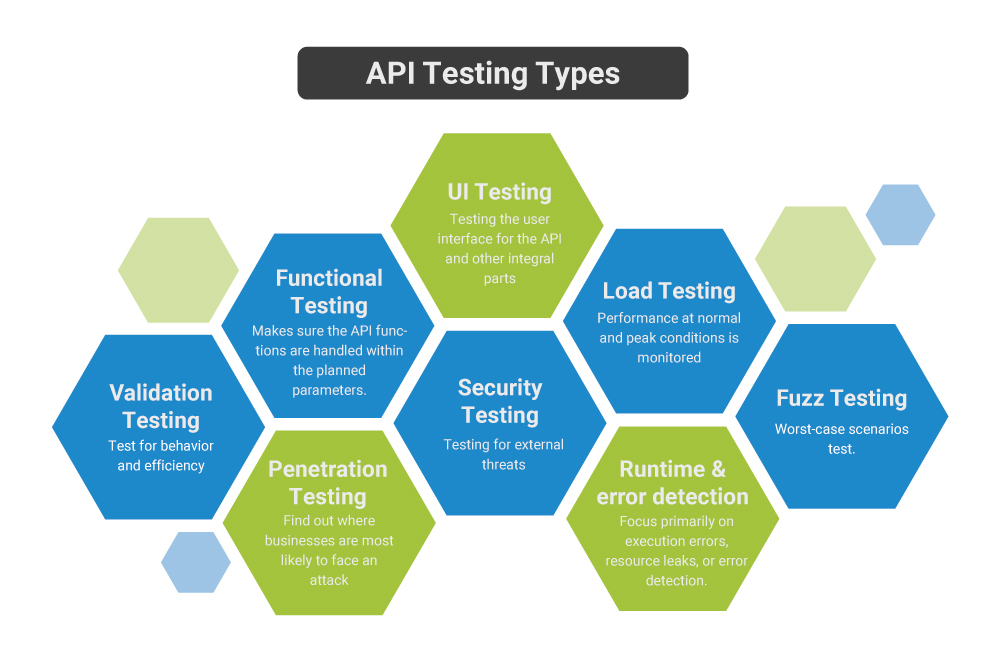
We will examine nine different kinds of API testing in this paper, going over their goals, salient features, and procedures to provide readers a clear picture of how each kind of testing affects an API’s overall quality and dependability.
1. Security Testing
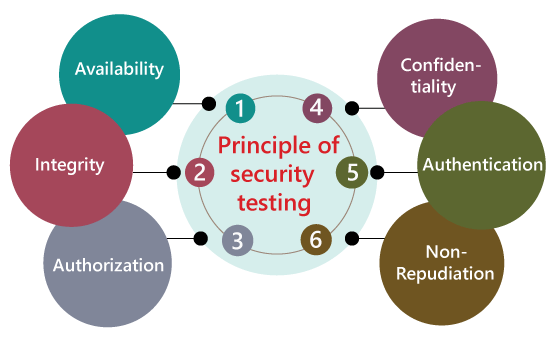
In order to ensure safe interactions between the user interface (UI) and the API, security testing is an essential component of API testing. In order to confirm data integrity, encryption, and access control, this entails looking over user-triggered API calls. Developers may make sure that data is secured during transmission, that only authorized users can use the API, and that data integrity is maintained at all times by carrying out security testing.
Objective: Verify safe communication between the user interface and the API, paying particular attention to user-initiated API requests.
Key Aspects:
- Access Control: Ensuring that the API is only accessible by authorized users is known as access control.
- Encryption Checks: Verifying that data sent over the API is encrypted through encryption checks.
- Data Integrity: Verifying that data is not changed or tampered with while being transmitted is known as data integrity.
Process:
- Specify the security needs.
- Conduct security testing with an emphasis on data integrity, encryption, and access control.
- Examine the data and fix any flaws that are discovered.
2. Validation Testing
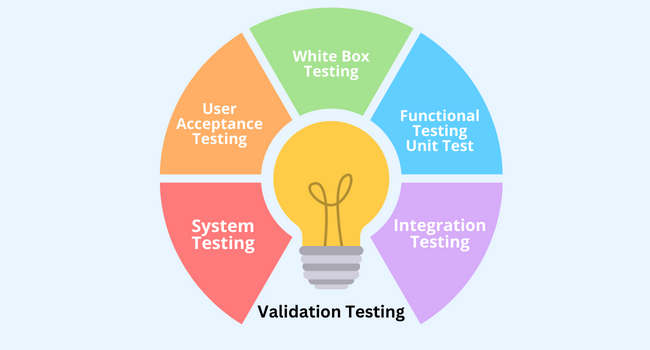
The goal of validation testing is to verify that the API generates the desired results for the given inputs. This kind of testing is comparing the API’s output to the required requirements while utilizing specified inputs. Developers may make that the API operates successfully, consistently, and in accordance with the specified needs and expectations by validating the API’s replies.
Objective: Verify whether the API generates the desired results for the given inputs.
Key Aspects:
- Predefined Standards: Guaranteeing that the output of the API complies with the necessary criteria and standards.
Process:
- Specify the input and the desired result.
- Use preset inputs to run validation tests.
- Compare the predicted and actual output.
- Find the differences and make the required corrections.
3. UI Testing
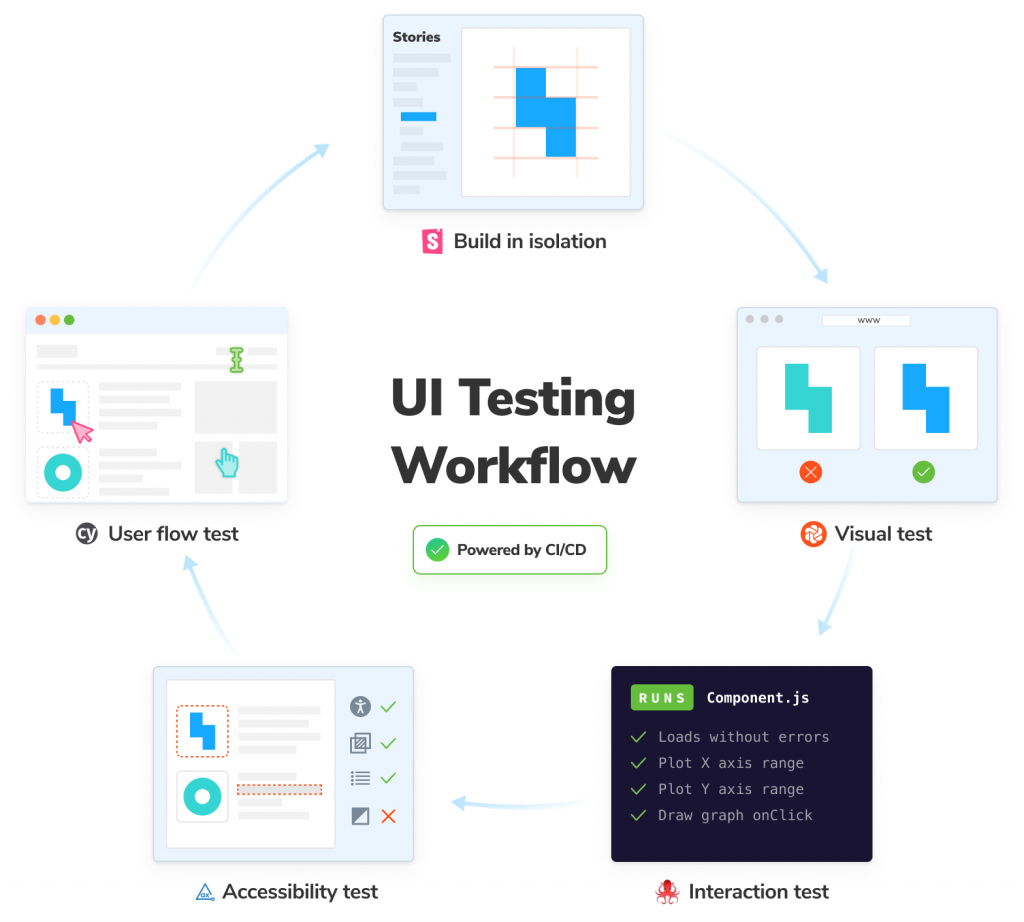
The goal of UI testing is to confirm that the UI and API work together seamlessly, especially when it comes to user-triggered API requests. This entails verifying that the UI’s interactions and the API’s responsiveness work as planned. UI testing assists in locating and fixing problems with responsiveness and interactivity by mimicking user activities and tracking the replies from the API.
Objective: Confirm that the UI and API work together seamlessly, particularly when it comes to user-triggered API requests.
Key Aspects:
- Reactiveness: Guaranteeing accurate and effective API response.
- Interactions: Ensuring that every interaction between the API and user interface runs according to plan.
Process:
- Describe user interactions and situations.
- To initiate API requests, mimic user activities.
- Keep an eye on UI behavior and API answers.
- Find and address any problems with interaction and response.
4. Functional Testing
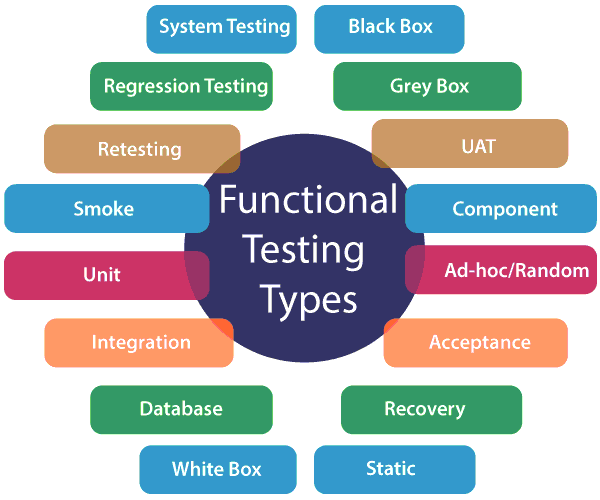
Functional testing evaluates how well API features and functionalities meet specified criteria. In order to ensure that the API operates as intended, this kind of testing entails establishing the functional requirements and expected outputs, creating test cases, and running them. Functional testing guarantees that the API functions as intended and is error-free.
Objective: Evaluate if API features and actions adhere to specified standards.
Key Aspects:
- Ensure that the API provides the anticipated functionality as the desired output.
Process:
- Specify the intended results and functional requirements.
- Create test cases according to the specifications.
- Carry out functional testing.
- Make that the API is operating appropriately in every way.
5. Error Testing
Error testing assesses how well the API handles errors and reacts to unanticipated situations. To evaluate the API’s error-handling capabilities, this entails defining probable error scenarios, developing test cases to mimic failures, and running them. Developers may make sure the API can handle problems gracefully and give users helpful error messages by carrying out error testing.
Objective: Assess the error-handling procedures and replies of the API to unanticipated events.
Key Aspects:
- Making sure the API can gracefully accept mistakes and deliver informative error messages is known as error handling.
Process:
- Determine probable mistake situations.
- Make test scenarios to mimic mistakes.
- Carry out error testing.
- Examine the error-handling and response systems of the API.
6. Penetration Testing
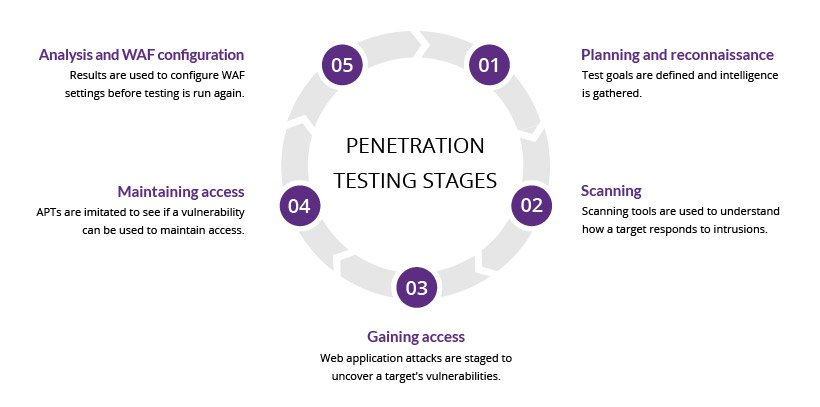
Penetration testing deliberately mimics assaults to find holes and flaws in the API. To find security flaws, this entails establishing possible attack paths, carrying out penetration testing with a variety of attack techniques, and evaluating the findings. Penetration testing aids developers in putting in place the security measures required to guard the API against possible dangers.
Objective: The objective is to actively imitate attacks in order to identify weak points.
Key Aspects:
- Penetration testing is the process of simulating attacks to identify security flaws.
Process:
- Describe possible points of attack.
- Conduct penetration testing with diverse attack techniques.
- Examine the findings to find any weaknesses.
- Put security procedures in place to fix vulnerabilities that are found.
7. Interoperability Testing
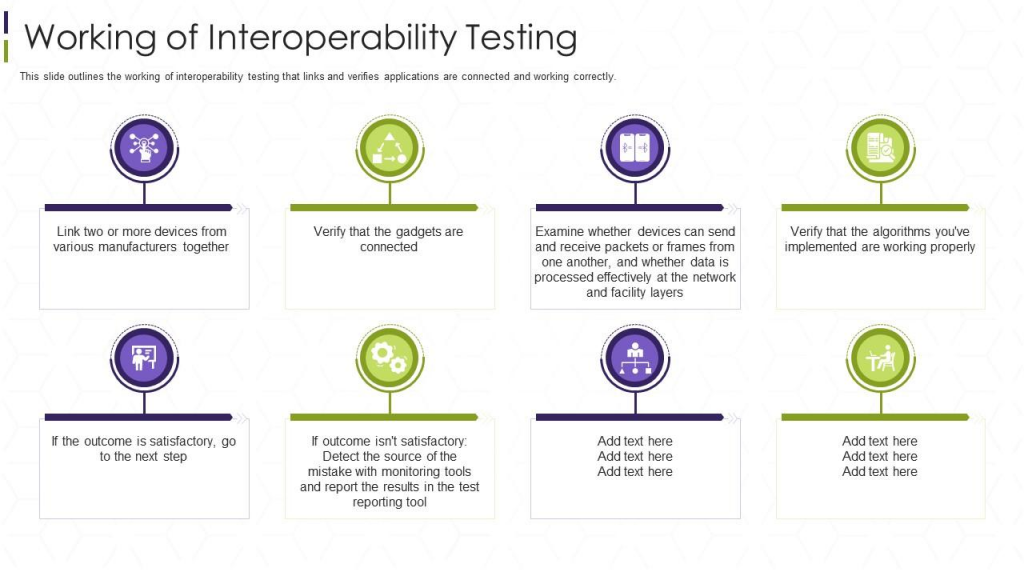
Testing for interoperability assesses how well the API integrates with other platforms and systems. In order to confirm that the API operates appropriately in various settings, this entails selecting platforms and systems for interoperability testing, creating test cases for interactions between the API and other systems, and running them. Interoperability testing improves the usability and compatibility of the API by ensuring that it functions properly across a range of platforms and systems.
Objective: Evaluate the capacity of the API to handle a significant volume of requests and evaluate its performance under heavy loads.
Key Aspects:
- Smooth Cooperation: Making sure the API functions properly across various platforms and systems.
Process:
- Decide which platforms and systems to test for compatibility.
- Create test cases to demonstrate how the API and other systems interact.
- Conduct tests for interoperability.
- Check to see if the API works properly with other systems.
8. Load Testing
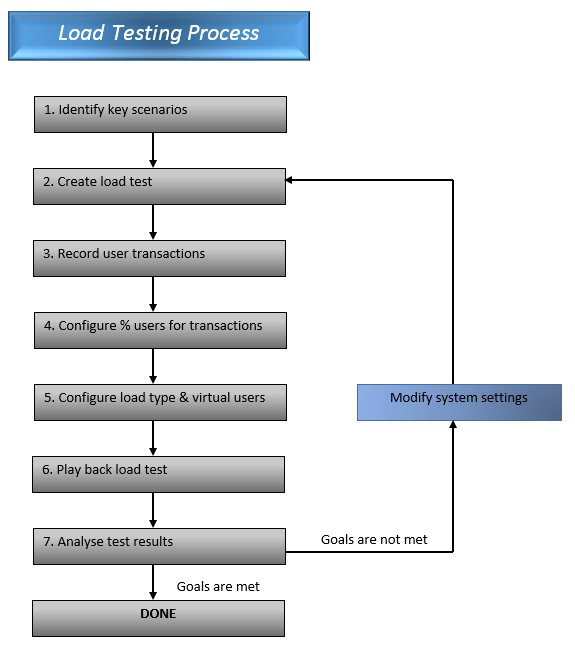
Demand testing evaluates the API’s capacity to handle a significant volume of requests and how well it performs under heavy demand. In order to do this, load requirements must be established. Then, load test scenarios must be created and executed by simulating large numbers of requests. Load testing keeps an eye on the API’s performance to assist find bottlenecks and make sure it can withstand high usage without degrading.
Objective: Evaluate the capacity of the API to handle a significant volume of requests and evaluate its performance under heavy loads.
Key Aspects:
- High Loads: Ensuring that there is no performance deterioration when a large volume of requests are handled by the API.
Process:
- Specify the intended performance metrics and the load requirements.
- Create scenarios for load testing.
- Run load testing by creating a large number of simulated requests.
- Track the performance of APIs and locate any bottlenecks.
9. Fuzz Testing
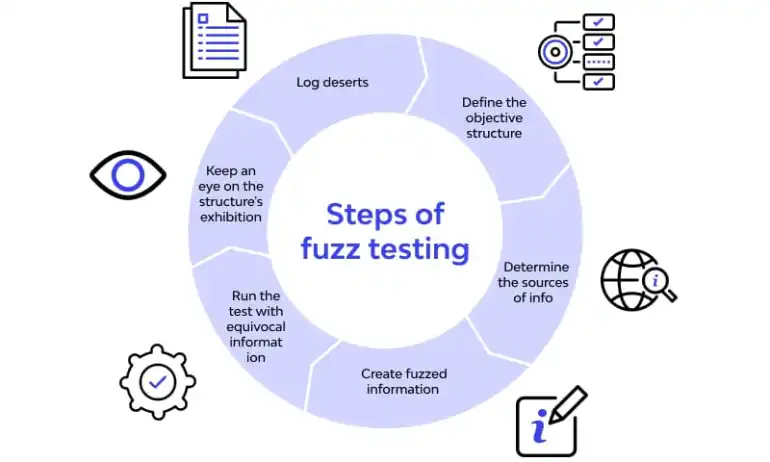
Unexpected data inputs are used in fuzz testing to uncover any weaknesses in the data processing of the API. To evaluate the robustness of the API, this entails describing potential unexpected data inputs, creating fuzz test cases using erroneous or malformed data, and running them. Fuzz testing ensures that the API is resilient to unexpected input by pointing up flaws and vulnerabilities that malevolent users may exploit.
Objective: Provide atypical data inputs to uncover possible weaknesses in data processing.
Key Aspects:
- Unexpected Data: Testing the resilience of the API with erroneous or malformed data.
Process:
- Describe any possible unforeseen data sources.
- Create fuzz test scenarios using erroneous or distorted data.
- Run fuzziness tests.
- Examine the answers and behavior of the API to find any weaknesses.
Conclusion:
API testing is a thorough procedure that guarantees the dependability, security, performance, and usefulness of an API. Different factors are the emphasis of each sort of testing, ranging from error handling and load capacity to security and validation. Developers may make sure an API fulfills user expectations and functions properly in a variety of circumstances by extensively testing it.