
Limited Time Offer!
For Less Than the Cost of a Starbucks Coffee, Access All DevOpsSchool Videos on YouTube Unlimitedly.
Master DevOps, SRE, DevSecOps Skills!
Introduction
In today’s fast-paced software development world, where speed and efficiency are crucial, DevOps practices have become integral to organizations. The Certified DevOps Engineer (CDE) certification is designed for professionals looking to master DevOps principles and tools. It helps bridge the gap between development and operations teams, promoting collaboration, automation, and continuous delivery. This certification is a gateway to understanding and applying best practices for modern software delivery and infrastructure management.
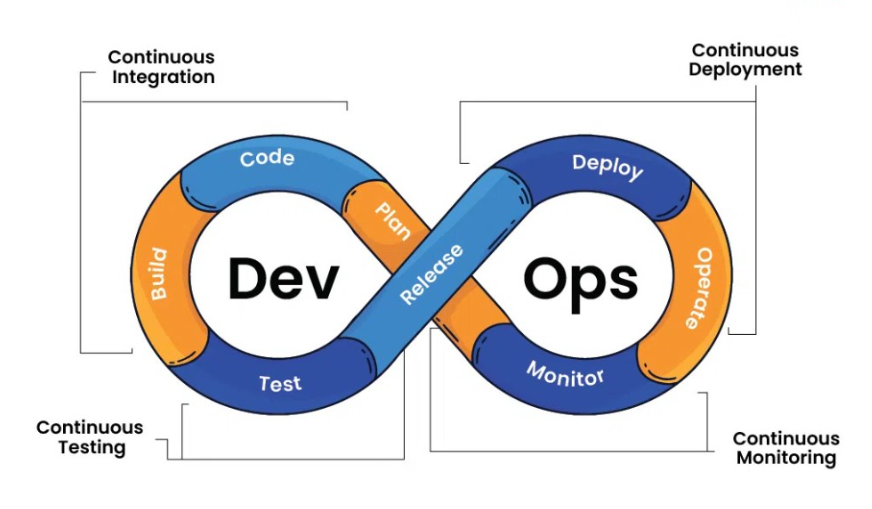
Whether you’re a software engineer, system administrator, or engineering manager, this guide will help you understand how the CDE certification can fast-track your career in the rapidly evolving field of DevOps.
What is Certified DevOps Engineer (CDE)?
The Certified DevOps Engineer (CDE) certification is an industry-recognized credential that validates your skills and expertise in DevOps practices. It covers a wide range of topics, including the development and deployment of applications, automation of processes, version control, continuous integration (CI) and continuous deployment (CD), and more. The certification is designed to ensure that you have a comprehensive understanding of DevOps principles and can apply them in real-world scenarios.
As a DevOps Engineer, you’ll be expected to manage complex software systems, optimize workflows, and contribute to the overall software development lifecycle (SDLC) with a focus on speed, reliability, and automation.
Who Should Take It?
The Certified DevOps Engineer (CDE) certification is ideal for professionals who wish to specialize in DevOps methodologies. It is designed for:
- DevOps Engineers: Individuals who are responsible for streamlining development and operations.
- Software Engineers: Professionals aiming to integrate DevOps practices into their software development lifecycle.
- Cloud Engineers: Professionals who work with cloud platforms and want to incorporate DevOps tools.
- Engineering Managers: Leaders looking to manage and oversee DevOps transformations within their teams.
- System Administrators: Professionals who are responsible for automating infrastructure and improving scalability and reliability.
- SREs (Site Reliability Engineers): Those focused on optimizing system performance and availability through DevOps practices.
Skills You’ll Gain
Upon earning your CDE certification, you will gain practical and in-demand skills, including:
- Version Control Systems: Mastering Git, Bitbucket, and other tools to manage source code and track changes.
- Continuous Integration/Continuous Deployment (CI/CD): Setting up pipelines for automating testing, building, and deploying software.
- Containerization and Orchestration: Using Docker and Kubernetes to containerize and orchestrate applications across different environments.
- Infrastructure Automation: Leveraging tools like Ansible, Terraform, and Chef for automating infrastructure provisioning.
- Cloud Platforms: Managing and deploying applications on cloud platforms like AWS, Azure, and Google Cloud.
- Monitoring and Logging: Utilizing tools such as Prometheus, Grafana, and the ELK Stack to monitor system performance and log data.
- Security Integration (DevSecOps): Integrating security into the DevOps pipeline to ensure secure code deployment.
These skills are essential in modern software development and ensure you are equipped to handle the demands of high-performing teams.
Real-World Projects You Should Be Able to Do After It
After earning your CDE certification, you should be able to confidently handle the following projects:
- Building CI/CD pipelines using Jenkins, GitLab, and CircleCI.
- Implementing Docker containers and orchestrating them with Kubernetes.
- Configuring and managing cloud infrastructure on AWS, Azure, or Google Cloud.
- Automating server provisioning and configurations with tools like Ansible or Terraform.
- Monitoring and alerting using Prometheus, Grafana, and the ELK stack.
- Building Infrastructure as Code (IaC) environments that scale automatically.
Preparation Plan
To ensure you pass the CDE exam, follow these preparation strategies:
7–14 Days:
- Focus on core DevOps concepts, such as version control and CI/CD.
- Set up a basic project using Git and Jenkins.
30 Days:
- Dive deeper into containerization with Docker and Kubernetes.
- Set up automated testing and deployment pipelines.
60 Days:
- Gain hands-on experience with cloud platforms.
- Focus on Infrastructure as Code tools like Terraform.
- Work on real-world projects involving monitoring, logging, and automation.
Common Mistakes
Avoid these common mistakes during your preparation:
- Skipping hands-on practice: DevOps is a practical field, and theoretical knowledge alone isn’t enough.
- Overlooking security aspects: DevSecOps principles should be integrated early in your learning.
- Rushing through topics: DevOps is broad, and skipping foundational concepts can hinder understanding.
- Not practicing in cloud environments: Many DevOps practices are cloud-based. Familiarize yourself with AWS, Azure, or GCP.
Best Next Certifications After CDE
Once you’ve earned your Certified DevOps Engineer (CDE) certification, there are several other certifications that can enhance your skills and career. Here are some recommended certifications for your next steps:
Same Track Certifications:
- Certified Kubernetes Administrator (CKA): Focuses on managing and administering Kubernetes clusters.
- Certified Jenkins Engineer: Specializes in using Jenkins for automating various stages of the software development lifecycle.
- AWS Certified DevOps Engineer: A deep dive into DevOps practices on Amazon Web Services (AWS).
Cross-Track Certifications:
- Certified Kubernetes Application Developer (CKAD): For those focusing on developing and managing containerized applications using Kubernetes.
- Certified Cloud Architect: A cloud-focused certification ideal for professionals who want to work at a higher level of cloud infrastructure design and deployment.
Leadership Certifications:
- Certified DevOps Leader (DOL): Ideal for those seeking to manage and lead DevOps transformations within organizations.
- Certified Site Reliability Engineer (SRE): Focuses on reliability and uptime of services and systems at scale.
Choose Your Path
After obtaining your CDE certification, you may choose to specialize in several areas within the broader DevOps ecosystem. These paths include:
- DevOps: Focuses on automating the entire software delivery pipeline and improving collaboration between development and operations teams.
- DevSecOps: Involves integrating security practices within the DevOps lifecycle to ensure that security is not an afterthought but an integral part of the development process.
- SRE (Site Reliability Engineering): Aims to improve the reliability, availability, and performance of systems by applying DevOps principles at scale.
- AIOps/MLOps: A combination of DevOps and Artificial Intelligence/Machine Learning for smarter automation, monitoring, and predictive analytics.
- DataOps: Focuses on managing and automating data pipelines to integrate data engineering and DevOps principles.
- FinOps: Focuses on financial operations in cloud environments, helping teams manage cloud costs effectively.
Each path allows you to deepen your expertise in specific DevOps sub-disciplines, making you more versatile and specialized in your chosen field.
Role → Recommended Certifications
| Role | Recommended Certifications |
|---|---|
| DevOps Engineer | Certified DevOps Engineer, Certified Kubernetes Administrator, Jenkins Engineer |
| SRE | Certified Site Reliability Engineer, Certified Kubernetes Administrator |
| Platform Engineer | Certified DevOps Engineer, Cloud Architect, Certified Kubernetes Administrator |
| Cloud Engineer | AWS Certified Solutions Architect, Azure Solutions Architect, Certified DevOps Engineer |
| Security Engineer | Certified Ethical Hacker (CEH), Certified DevSecOps Engineer, CISSP |
| Data Engineer | Google Cloud Professional Data Engineer, Azure Data Engineer, DataOps Engineer |
| FinOps Practitioner | FinOps Certified Practitioner, AWS Cloud Practitioner |
| Engineering Manager | Certified DevOps Leader, Certified Kubernetes Administrator |
FAQs on Certified DevOps Engineer (CDE)
1. What is the difficulty level of the CDE exam?
The CDE exam is challenging, requiring both theoretical knowledge and hands-on experience in DevOps tools and practices.
2. How much time do I need to prepare for the CDE exam?
On average, candidates take 1-2 months to adequately prepare for the exam, depending on their prior experience in DevOps.
3. What are the prerequisites for the CDE exam?
There are no strict prerequisites, but having a background in software development or system administration can be helpful.
4. Can I take the CDE exam without prior DevOps experience?
It’s possible, but having hands-on experience with tools like Jenkins, Docker, Kubernetes, and cloud platforms is highly recommended.
5. What’s the sequence of topics I should follow while preparing?
Start with the basics of DevOps principles, then move to version control, CI/CD, automation, containerization, and cloud platforms.
6. How valuable is the CDE certification for my career?
The CDE certification significantly boosts your career by proving your proficiency in modern DevOps practices, making you more competitive in the job market.
7. How much does the CDE exam cost?
The CDE exam fee is typically around $200–$300, depending on the provider and location.
8. What career outcomes can I expect after completing the CDE?
After completing the CDE, you can expect to advance in DevOps roles, such as DevOps Engineer, Cloud Engineer, SRE, or Engineering Manager, with higher earning potential and job security.
Top Institutions for CDE Training and Certification
Several institutions provide comprehensive training and certification programs to help you achieve your Certified DevOps Engineer (CDE) certification. Here are a few that stand out:
- DevOpsSchool: Offers expert-led training in all aspects of DevOps, including hands-on practice and real-world projects, making it a great place for aspiring DevOps engineers.
- Cotocus: Specializes in DevOps and cloud technologies with personalized coaching and a wide range of resources for learning.
- Scmgalaxy: Provides in-depth DevOps training that covers everything from the basics to advanced topics, including CI/CD, containerization, and cloud automation.
- BestDevOps: Known for its practical approach to DevOps training and certification, BestDevOps offers a structured learning environment with real-world case studies.
- devsecopsschool: Focuses on DevSecOps, providing training that integrates security into the DevOps pipeline, which is crucial for modern software development.
- sreschool: Offers specialized training for Site Reliability Engineers, covering both DevOps principles and SRE practices for scalable and reliable systems.
- aiopsschool: Focuses on AIOps/MLOps, blending artificial intelligence with DevOps practices to automate and optimize IT operations.
- dataopsschool: Specializes in DataOps, offering training to streamline the deployment and management of data workflows.
- finopsschool: Focuses on financial operations within cloud platforms, teaching you how to manage and optimize cloud costs efficiently.
These institutions offer expert-led courses that provide both theoretical knowledge and practical skills, preparing you for the CDE certification exam and a successful career in DevOps.