Limited Time Offer!
For Less Than the Cost of a Starbucks Coffee, Access All DevOpsSchool Videos on YouTube Unlimitedly.
Master DevOps, SRE, DevSecOps Skills!
Introduction
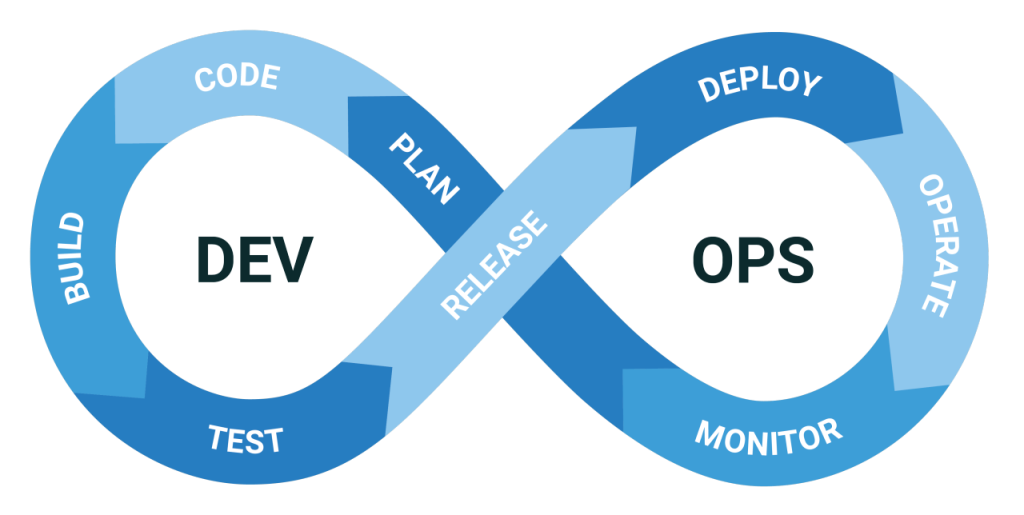
In today’s fast-paced digital world, the role of DevOps professionals has become a pivotal part of an organization’s success. With organizations striving for faster and more efficient software delivery, the Certified DevOps Professional (CDP) certification has emerged as one of the most respected credentials in the field. This guide will walk you through everything you need to know about the CDP certification, from understanding what it entails to preparing for the exam, and how it can propel your career forward. Whether you’re a DevOps engineer, a software developer, or an engineering manager, the CDP certification is a great way to prove your expertise and commitment to DevOps practices.
What is Certified DevOps Professional (CDP)?
The Certified DevOps Professional (CDP) is an advanced certification that focuses on the skills and knowledge required to excel in DevOps practices. This certification covers a broad range of topics including continuous integration/continuous deployment (CI/CD), automation, infrastructure as code (IaC), cloud technologies, containerization, and monitoring. A CDP certification helps professionals integrate DevOps principles across development, operations, and security teams, leading to faster, more reliable software delivery and improved collaboration between cross-functional teams.
This certification is perfect for individuals who want to demonstrate their advanced understanding of the DevOps lifecycle and gain recognition in the industry as experts in driving DevOps transformations.
Who Should Take It?
This certification is ideal for:
- DevOps Engineers looking to refine their skills.
- SREs (Site Reliability Engineers) aiming to add DevOps practices to their toolbox.
- Platform Engineers and Cloud Engineers working in agile environments.
- Engineering Managers looking to build or scale DevOps practices within teams.
- Security Engineers interested in integrating security into the DevOps pipeline (DevSecOps).
- Software Engineers and developers looking to gain hands-on knowledge of automation and deployment.
Skills You’ll Gain
By pursuing the CDP certification, you’ll acquire valuable skills such as:
- Understanding the core concepts of DevOps and automation.
- Configuring and implementing CI/CD pipelines.
- Implementing infrastructure as code (IaC) using tools like Terraform and Ansible.
- Managing containerization with Docker and Kubernetes.
- Automating cloud infrastructure deployments and management.
- Integrating security best practices into the DevOps lifecycle (DevSecOps).
- Monitoring and logging to ensure system reliability and scalability.
- Managing version control systems like Git in a collaborative setting.
Real-World Projects You Should Be Able to Do After It
Upon completing the Certified DevOps Professional (CDP) certification, you will gain the necessary skills to tackle a wide range of real-world projects, such as:
- Building and maintaining CI/CD pipelines: You will be able to automate the integration and deployment of applications, ensuring faster and more efficient software delivery.
- Infrastructure as Code (IaC) setup: With tools like Terraform and Ansible, you will be able to automate the provisioning of infrastructure.
- Containerizing applications with Docker and Kubernetes: You will have hands-on experience deploying, scaling, and managing containerized applications across various environments.
- Cloud infrastructure management: You will be able to design and implement scalable cloud infrastructure using services from AWS, Azure, or Google Cloud.
- Setting up monitoring and alerting systems: You will be able to set up tools like Prometheus, Grafana, or Nagios to monitor system performance and health, ensuring high availability and reliability.
- Integrating security into the DevOps pipeline (DevSecOps): You will be able to automate security checks and implement best practices for securing the DevOps workflow.
These projects will not only demonstrate your practical expertise but also help you build the necessary skills to contribute effectively to any DevOps transformation within your organization.
Preparation Plan
Effective preparation can make all the difference. Here’s a suggested preparation timeline based on your availability:
7–14 Days (Accelerated)
- Focus on the basics of DevOps and automation tools.
- Complete online courses and practice exercises.
- Familiarize yourself with version control systems (Git).
- Take hands-on labs focusing on CI/CD pipeline creation and containerization.
30 Days (Moderate Pace)
- Start with foundational concepts of DevOps.
- Dive deeper into tools such as Jenkins, GitLab, Docker, Kubernetes, Terraform, and Ansible.
- Work on projects like setting up a CI/CD pipeline, automating infrastructure, and using container orchestration tools.
60 Days (Comprehensive)
- Master the DevOps lifecycle from planning and development to testing, deployment, and monitoring.
- Work on end-to-end DevOps project simulations.
- Review exam-specific study guides and take mock tests.
Common Mistakes to Avoid
- Overlooking the importance of hands-on practice.
- Ignoring security aspects in DevOps (DevSecOps).
- Not understanding the full DevOps lifecycle or focusing too narrowly on one part.
- Skipping automation tools like Terraform, Ansible, and Kubernetes, which are essential.
- Rushing through the preparation without practical experience in CI/CD pipeline configuration.
Best Next Certification After CDP
After achieving the Certified DevOps Professional, consider these certifications:
- Same Track: Certified Kubernetes Administrator (CKA).
- Cross-Track: Certified DevSecOps Professional.
- Leadership: Certified DevOps Leader (CDL).
Choose Your Path: DevOps Learning Paths
DevOps is a vast field with multiple specialties. Once you have completed your Certified DevOps Professional (CDP) certification, you can choose from the following learning paths depending on your career goals:
1. DevOps
- Focuses on automating the development, testing, deployment, and monitoring of software.
- Key tools: Jenkins, Git, Docker, Kubernetes, Terraform.
2. DevSecOps
- Integrates security practices into the DevOps pipeline to ensure secure and compliant software delivery.
- Key tools: HashiCorp Vault, Snyk, Aqua Security, SonarQube.
3. Site Reliability Engineering (SRE)
- Aims to ensure the reliability, scalability, and performance of systems through automation and monitoring.
- Key tools: Prometheus, Grafana, Google Cloud Operations Suite, Kubernetes.
4. AIOps/MLOps
- Focuses on using artificial intelligence (AI) and machine learning (ML) to enhance DevOps processes and automate decision-making.
- Key tools: TensorFlow, PyTorch, Kubernetes, Docker.
5. DataOps
- Deals with the automation and optimization of data pipelines to ensure smooth data flow between systems.
- Key tools: Apache Kafka, Apache Spark, Kubernetes, Terraform.
6. FinOps
- Focuses on financial operations in the cloud, helping organizations optimize cloud costs and manage cloud resources efficiently.
- Key tools: CloudHealth, CloudCheckr, AWS Cost Explorer, Google Cloud Platform.
Each learning path offers specialized knowledge that will further enhance your DevOps expertise and help you tailor your career to the specific area that excites you the most.
Role → Recommended Certifications
| Role | Recommended Certifications |
|---|---|
| DevOps Engineer | Certified DevOps Professional, Certified Kubernetes Administrator (CKA) |
| SRE | Certified DevOps Professional, Site Reliability Engineer Certification |
| Platform Engineer | Certified DevOps Professional, Cloud Native DevOps Certification |
| Cloud Engineer | Certified DevOps Professional, AWS Certified DevOps Engineer |
| Security Engineer | Certified DevOps Professional, Certified DevSecOps Professional |
| Data Engineer | Certified DevOps Professional, DataOps Certification |
| FinOps Practitioner | Certified DevOps Professional, FinOps Certified Practitioner |
| Engineering Manager | Certified DevOps Professional, DevOps Leadership Certification |
FAQs: Certified DevOps Professional
1. What is the difficulty level of the Certified DevOps Professional exam?
The CDP exam is of moderate to high difficulty. It requires solid hands-on experience with DevOps tools and practices.
2. How long does it take to prepare for the CDP exam?
Preparation time varies but generally takes between 30 to 60 days depending on prior experience.
3. Are there any prerequisites for taking the CDP exam?
While there are no strict prerequisites, familiarity with basic DevOps concepts, CI/CD, and automation tools is recommended.
4. Which tools should I be familiar with for the exam?
Key tools include Jenkins, Docker, Kubernetes, Git, Terraform, Ansible, and monitoring tools like Prometheus.
5. What is the value of the Certified DevOps Professional certification?
This certification demonstrates your expertise in DevOps practices and enhances your employability in high-demand roles.
6. What career opportunities does CDP open up?
After completing the CDP, you can pursue roles such as DevOps Engineer, SRE, Cloud Engineer, or Engineering Manager.
7. What is the recommended sequence for DevOps certifications?
Start with foundational certifications like the Certified DevOps Professional, followed by specialized certifications in Kubernetes, DevSecOps, or SRE.
8. How do I stay updated with new DevOps trends after certification?
Engage in continuous learning by attending webinars, participating in community forums, and taking advanced certifications.
Top Institutions Offering Training & Certification for CDP
Several institutions offer top-notch training and certification for the Certified DevOps Professional (CDP) program. These institutes provide a combination of theory, practical experience, and mock exams to help you succeed:
- DevOpsSchool
DevOpsSchool is one of the leading platforms offering comprehensive DevOps training and certification. Their courses include hands-on labs and real-world case studies to help students develop practical skills. - Cotocus
Cotocus provides detailed training programs for DevOps, focusing on automation, containerization, and CI/CD pipelines. Their expert trainers provide customized support and mentorship. - Scmgalaxy
Scmgalaxy offers specialized training in DevOps tools and processes. They have a strong focus on real-world implementation and use cases, helping professionals build effective DevOps solutions. - BestDevOps
BestDevOps delivers world-class training and certification programs with a practical, project-driven approach. They help professionals get industry-ready with hands-on training. - devsecopsschool
For those focusing on integrating security in the DevOps lifecycle, devsecopsschool offers advanced training programs to master DevSecOps principles. - sreschool
sreschool is dedicated to Site Reliability Engineering training and certification. Their curriculum is designed to help professionals learn to manage large-scale systems with a focus on high availability. - aiopsschool
AIOpsSchool offers cutting-edge training in AIOps, focusing on the application of artificial intelligence in DevOps workflows. This program is ideal for those looking to automate their operations with AI. - dataopsschool
DataOpsSchool offers specialized training for data engineers and DevOps professionals, focusing on managing data pipelines and optimizing data operations in a DevOps environment. - finopsschool
FinOpsSchool specializes in training professionals on how to manage and optimize cloud financial operations within a DevOps framework.
Conclusion
The Certified DevOps Professional (CDP) certification is a powerful credential that not only proves your technical expertise but also opens up a world of opportunities in the fast-evolving field of DevOps. Whether you’re looking to automate CI/CD pipelines, manage cloud infrastructure, or integrate security into your DevOps practices, the CDP certification equips you with the skills needed to succeed.
By pursuing this certification, you’ll be prepared for a wide range of real-world projects and can choose a learning path that best aligns with your career goals. The certification will enhance your credibility in the industry and provide you with the knowledge to manage modern infrastructure and software delivery at scale.
To take the next step in your career, consider pursuing this certification and follow the learning paths and career maps outlined in this guide. Whether you’re an engineer, manager, or specialist, CDP is a valuable investment for your professional growth.
