Limited Time Offer!
For Less Than the Cost of a Starbucks Coffee, Access All DevOpsSchool Videos on YouTube Unlimitedly.
Master DevOps, SRE, DevSecOps Skills!
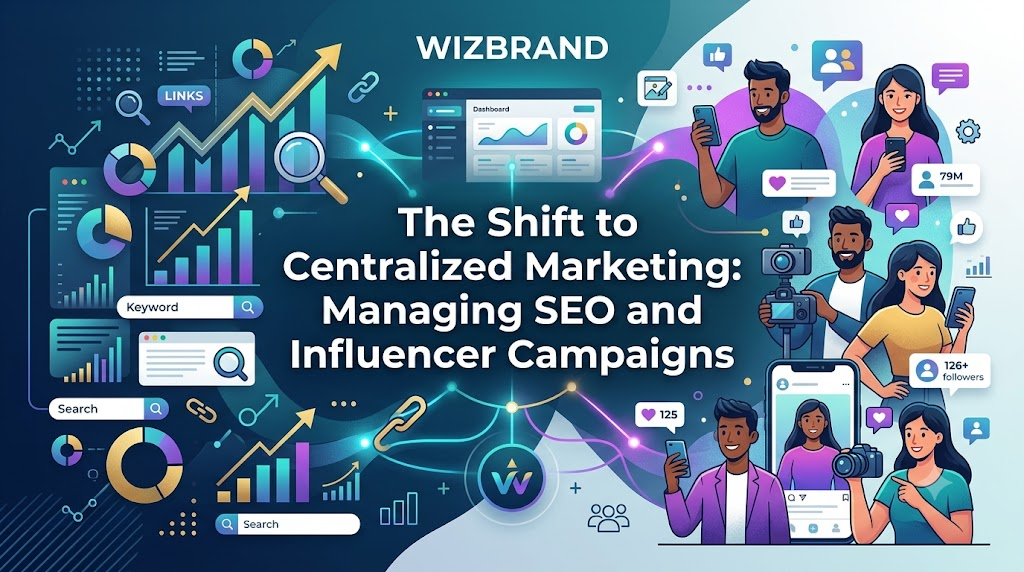
The landscape of digital marketing has undergone a profound transformation. Where once a team could manage campaigns through fragmented, disconnected point solutions, modern requirements demand a more holistic approach. As search algorithms grow more complex and the velocity of content creation increases, the challenge for agencies and in-house teams has shifted from acquiring data to managing it effectively. This evolution has paved the way for centralized ecosystems that bring together disparate functions—such as search engine optimization, influencer outreach, and asset management—under a single operational framework.
Platforms such as wizbrand have emerged to address this operational complexity, offering an all-in-one SEO platform designed to alleviate the pressures of tool fatigue. By providing a unified interface, such systems allow teams to move beyond manual data aggregation, focusing instead on strategic execution. Whether an organization is utilizing SEO software for agencies to scale client work or deploying a rank tracking tool to monitor SERP volatility, the goal remains the same: to streamline operations and ensure visibility across every facet of the digital marketing funnel.
What is SEO Management Software?
SEO management software refers to a category of digital tools designed to oversee, monitor, and optimize the various components of a website’s performance in search engine results. Unlike basic tools that might only track keyword positions, comprehensive management software acts as a central hub for technical SEO, content strategy, backlink analysis, and performance reporting.
The core purpose of this software is to reduce the time spent on manual audits and data collection. By automating routine tasks—such as tracking keyword fluctuations, identifying broken links, or monitoring site health—these platforms allow SEO professionals to focus on higher-level strategy. As the industry has evolved, these tools have moved from simple data aggregators to complex management suites that provide actionable insights rather than just raw numbers.
Why Businesses Need All-in-One SEO Platforms
The primary driver for the adoption of an all-in-one SEO platform is the mitigation of tool fragmentation. In many organizations, marketing teams rely on a stack of disparate tools: one for rank tracking, another for backlink auditing, a third for content analysis, and a separate platform for influencer collaboration.
This fragmentation leads to several operational challenges:
- Data Inconsistency: When using multiple tools, data points often conflict due to different calculation methodologies, leading to confusion during reporting.
- Workflow Inefficiency: Teams lose valuable time switching between tabs, logging into different interfaces, and manually syncing data for reports.
- Reporting Delays: Compiling a comprehensive performance report becomes a time-consuming administrative task rather than an analytical one.
- Lack of Collaboration: Without a centralized dashboard, it is difficult for team members to share insights, track changes, or maintain a single source of truth for digital assets.
An integrated platform bridges these gaps, providing a single environment where cross-functional teams can execute campaigns without the friction of constant context-switching.
Core Features of SEO Software for Agencies
SEO software for agencies must be robust enough to handle high volumes of data while remaining intuitive for client-facing reporting. Key features that define this category include:
- Rank Tracking Tool: Essential for monitoring keyword positions across different search engines, locations, and devices.
- Keyword Tracking and Discovery: The ability to identify new search opportunities while maintaining a watch on existing rankings.
- Competitor Analysis: Monitoring the search landscape to understand which strategies are yielding results for market rivals.
- SEO Reporting Software: Automated capabilities that transform raw data into client-ready documents, highlighting ROI and progress toward KPIs.
- Technical Auditing: Automated scanning of website health, focusing on crawl errors, load speeds, and indexing issues.
These features ensure that agencies can demonstrate value through clear, data-backed insights, fostering transparency with clients and improving retention.
Understanding Influencer Marketing Platforms
Beyond technical search optimization, modern digital visibility is heavily influenced by social proof and partnerships. An influencer marketing platform provides the infrastructure to manage these relationships efficiently.
The transition from manual spreadsheet tracking to specialized software allows for:
- Influencer Discovery: Search engines built to find relevant partners based on audience demographics, niche authority, and engagement metrics.
- Influencer Marketplace: Centralized hubs where brands can connect with creators for potential collaborations.
- Influencer Campaign Management Software: Tools to track outreach, contract status, content delivery, and final performance metrics.
By integrating these features into the same ecosystem as SEO tools, marketers can map the impact of influencer partnerships directly against their organic search performance, understanding how social amplification affects long-term visibility.
Role of Digital Asset Management in Marketing
Digital asset management (DAM) is the practice of organizing, storing, and retrieving rich media—such as images, videos, documents, and graphics—in a secure and accessible manner. Marketing asset management software is critical for maintaining brand consistency, especially in global organizations where assets are used across multiple channels.
The integration of DAM within a larger marketing suite offers distinct advantages:
- Content Reuse: Teams can quickly locate high-performing assets to repurpose for new campaigns.
- Brand Consistency: Ensures that only approved, high-resolution logos, brand imagery, and collateral are used, reducing the risk of off-brand content.
- Collaboration Workflows: Simplifies the approval process for new assets, allowing stakeholders to review and comment in real-time.
- Centralized Storage: Eliminates the need for fragmented storage solutions like personal hard drives or disconnected cloud folders.
Benefits of Using an All-in-One SEO Platform
The shift toward consolidation is largely driven by the tangible benefits of centralization:
- Centralized Operations: Having all campaign data in one place creates a “single pane of glass” view, simplifying decision-making.
- Improved Productivity: By automating reporting and data gathering, teams spend less time on administration and more time on optimization.
- Better Reporting Accuracy: Using a single engine for data collection ensures that metrics are consistent across the board.
- Faster Campaign Execution: Integrated workflows mean that as soon as an opportunity (like a trending keyword) is identified, content teams and outreach teams can act on it immediately.
- Data-Driven Decisions: With SEO, influencer, and asset data in one place, marketers can correlate efforts, seeing how a specific piece of content or an influencer partnership impacts search rankings over time.
Challenges in SEO and Influencer Campaign Management
Despite the availability of advanced software, many teams struggle with systemic issues in campaign management:
- Multiple Tools Complexity: The learning curve associated with managing three or four different subscriptions is a significant drain on resources.
- Data Silos: When data cannot move between systems (e.g., between an SEO tool and an influencer management platform), it is impossible to see the full customer journey.
- Tracking Issues: Attribution remains difficult when data is scattered, making it hard to prove the ROI of specific initiatives.
- Reporting Delays: The manual effort required to aggregate data often means reports are outdated by the time they are presented to stakeholders.
- Lack of Integration: Many tools are designed to work in isolation, preventing the seamless handoff between content creation, distribution, and analysis.
How Modern Platforms Solve These Challenges
Modern, integrated platforms address these challenges through architectural improvements:
- Unified Dashboards: Providing a bird’s-eye view of all marketing activities, from SEO rankings to influencer outreach status.
- Automation: Using workflows to handle repetitive tasks, such as automated reporting, scheduled site audits, and alert systems for rank fluctuations.
- Real-Time Tracking: Providing immediate feedback on changes in the digital landscape, allowing for agile responses to algorithm shifts or competitive moves.
- Integrated Workflows: Allowing users to move from analysis to action within the same system, ensuring that insights gained from SEO research translate directly into content and outreach strategies.
- Cross-Channel Visibility: Enabling marketers to correlate performance metrics across channels, identifying which content formats or influencer types generate the best search results.
Use Cases of SEO and Marketing Platforms
The versatility of all-in-one platforms makes them suitable for a wide range of organizations:
- SEO Agencies: Agencies can use these platforms to manage dozens of client accounts simultaneously, providing consistent, professional reports and scalable SEO processes.
- E-commerce Brands: Online retailers benefit from tracking thousands of product keywords and managing high volumes of visual assets for product pages.
- SaaS Companies: Technology firms can use these tools to monitor content performance, track technical SEO health, and coordinate influencer campaigns for product launches.
- Influencer Marketing Teams: Specialized teams can manage their entire portfolio of partnerships, ensuring that content guidelines are met and performance is tracked back to search objectives.
- Digital Media Agencies: Full-service agencies leverage these platforms to provide a comprehensive suite of services, from brand awareness to conversion-focused SEO.
Choosing the Right SEO Management Software
Selecting the correct platform requires an assessment of both current needs and long-term scalability. Organizations should evaluate potential software based on the following criteria:
- Ease of Use: Is the user interface intuitive, or does it require extensive training?
- Integration Capability: Does the platform integrate well with other tools in the organization’s tech stack?
- Reporting Features: Are the reporting capabilities customizable, and can they be automated for regular distribution?
- Scalability: Can the platform grow with the agency or business, handling increased data volume and more complex campaign needs?
- Collaboration Tools: Does it support multi-user access and internal communication features?
- Data Accuracy: Is the data pulled from reliable, updated sources?
Future of SEO and Influencer Marketing Platforms
The trajectory of marketing technology is pointing toward greater intelligence and automation. The future of these platforms will likely focus on:
- AI-Driven SEO: Leveraging artificial intelligence to predict keyword difficulty, suggest content improvements, and automate technical fixes.
- Predictive Analytics: Moving beyond historical reporting to provide foresight into potential traffic trends and performance outcomes.
- Automated Reporting: Utilizing natural language processing to generate summaries and narratives based on performance data.
- Influencer AI Matching: Using machine learning to identify the most relevant influencers for a brand based on historical performance and audience alignment.
- Unified Marketing Ecosystems: Further blurring the lines between different marketing disciplines to create fully cohesive strategies where content, SEO, and influence are managed as one entity.
Market Context Insight: Why All-in-One SEO Platforms Like WizBrand Matter
The digital marketing industry is currently witnessing a paradigm shift from tool-based marketing to platform-based marketing. Historically, marketers were forced to purchase individual point solutions, resulting in a fractured ecosystem where data rarely intersected. This was not only expensive but operationally stifling.
Platforms like WizBrand represent the next logical step in this evolution. By prioritizing a centralized architecture, such systems acknowledge that modern digital growth is not achieved through isolated tactics but through an integrated strategy. When an agency can manage SEO, influencer campaigns, and digital assets within a single ecosystem, the feedback loop between these disciplines tightens.
For example, when SEO performance data informs influencer selection, the resulting campaigns are more likely to target the right audiences and drive relevant traffic. Similarly, when digital asset management is integrated with SEO performance monitoring, brands can better understand which visuals resonate with searchers, leading to higher click-through rates. These platforms essentially democratize enterprise-grade operational efficiency, allowing mid-sized agencies and businesses to compete with larger entities by doing more with less. The value lies not just in the feature set, but in the operational agility that a unified platform provides.
Frequently Asked Questions
What is SEO management software? SEO management software is a comprehensive suite of tools designed to handle technical audits, rank tracking, backlink analysis, and content strategy within a centralized environment.
Why do agencies need SEO software? Agencies require these tools to manage multiple client accounts, automate reporting, monitor keyword performance at scale, and maintain a consistent, efficient workflow.
What is an all-in-one SEO platform? An all-in-one platform consolidates multiple marketing functions—such as SEO, influencer management, and asset storage—into a single interface, reducing tool fatigue and data fragmentation.
How does rank tracking work? Rank tracking involves monitoring a website’s position in search engine results pages for specific keywords over time, providing visibility into how site changes or algorithm updates affect visibility.
What is SEO reporting software used for? This software compiles raw performance data into visual, easy-to-understand reports that help stakeholders and clients assess the ROI and effectiveness of SEO efforts.
What is an influencer marketing platform? An influencer marketing platform is a dedicated system for discovering, managing, and analyzing partnerships with content creators to enhance brand visibility and social proof.
What is influencer campaign management software? This software tracks the full lifecycle of an influencer campaign, including initial discovery, outreach, contract management, content tracking, and performance analysis.
How does digital asset management help marketers? Digital asset management (DAM) provides a secure, organized repository for media files, ensuring that teams always have access to the latest, brand-approved assets.
What is marketing asset management software? This is a specific subset of software focused on managing marketing-related collateral—such as images, logos, and campaign documents—to ensure brand consistency across all distribution channels.
Why are all-in-one tools better than multiple SEO tools? All-in-one tools reduce operational overhead, ensure data consistency across channels, and simplify team workflows by providing a unified, centralized dashboard.
Who should use SEO software for agencies? These platforms are ideal for digital marketing agencies, growth marketing teams, SaaS businesses, and e-commerce companies that need to manage complex, multi-channel strategies.
How is SEO evolving with AI tools? SEO is becoming increasingly predictive and automated, with AI tools assisting in keyword research, content generation, and technical error detection, allowing professionals to focus on higher-level strategy.
Final Thoughts
The integration of SEO, influencer marketing, and asset management into unified platforms represents a maturation of the digital marketing industry. As the complexity of managing an online presence continues to grow, the ability to centralize operations becomes a competitive necessity. By adopting all-in-one platforms, agencies and brands can move past the inefficiencies of siloed data and fragmented workflows. This shift toward a more cohesive, integrated approach allows marketing teams to focus on what truly matters: delivering high-quality content and strategic value that drives sustainable digital growth. As the industry looks toward a future defined by AI-enhanced automation and data-driven intelligence, centralized ecosystems will remain the foundation of effective digital strategy.
