Limited Time Offer!
For Less Than the Cost of a Starbucks Coffee, Access All DevOpsSchool Videos on YouTube Unlimitedly.
Master DevOps, SRE, DevSecOps Skills!
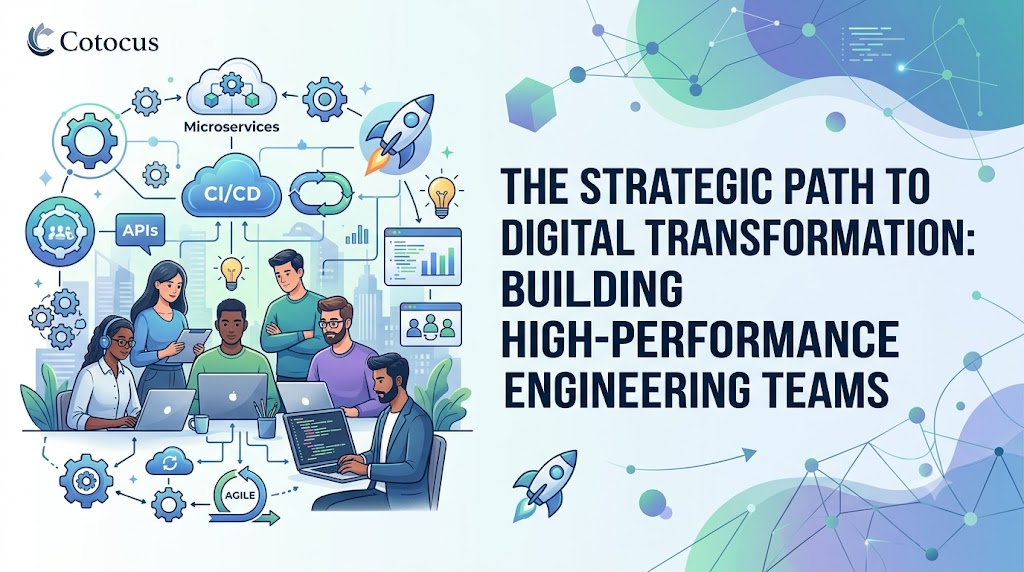
In the contemporary digital landscape, the pressure to deliver high-quality software rapidly has moved from a competitive advantage to a fundamental survival requirement. Organizations navigating this transition often find themselves balancing the urgency of digital initiatives with the limitations of existing operational frameworks. Achieving a state of continuous delivery and high-performance engineering requires more than just tool adoption; it demands a fundamental shift in architecture, process, and culture. As a DevOps consulting company, Cotocus partners with enterprises to navigate these complexities, turning technical friction into streamlined delivery workflows.
Enterprise Challenges Driving Modernization
Legacy systems often serve as the backbone of an enterprise, yet they frequently become silos that inhibit speed. Organizations typically face significant deployment bottlenecks where manual testing and fragmented release processes prevent the rapid realization of business value. Operational complexity compounds these issues, as teams struggle to manage brittle infrastructure that is not equipped for the scalability demands of modern cloud environments.
Security concerns further complicate the landscape. Integrating security into the development lifecycle is often treated as a final, reactive step rather than a proactive part of the design. Simultaneously, the persistent skill gap in cloud-native technologies prevents internal teams from fully utilizing modern abstractions. Addressing these challenges requires a methodical approach that balances modernization with the stability of core business operations.
Why Organizations Need Experienced Consulting Partners
The journey toward modern engineering is fraught with risks, from architectural missteps to cultural resistance. Experienced consulting partners provide a structured framework to mitigate these risks by applying proven patterns that have been validated across diverse industry environments. Consultants act as catalysts for change, helping organizations move beyond fragmented tool implementation to establish cohesive best practices.
Beyond technical delivery, the primary value of an external partnership lies in the accelerated adoption of modern methodologies. By leveraging institutional knowledge, teams can avoid common pitfalls in infrastructure design and deployment strategies. Ultimately, the partnership focuses on capability development, ensuring that the organization not only implements new technologies but also develops the internal maturity required to maintain them effectively.
Characteristics of a Mature DevOps Consulting Company
A mature consulting partner distinguishes itself through rigorous assessment methodologies and architectural expertise. Rather than applying a one-size-fits-all approach, a mature firm begins by auditing current workflows and identifying specific points of failure. This data-driven approach informs the design of automation frameworks that are tailored to the organization’s unique workload and governance requirements.
A critical indicator of maturity is the emphasis on knowledge-sharing and empowerment. The goal of any successful engagement is to build the internal capacity of the client’s team. Through collaborative mentoring and standardized documentation, a reputable consulting firm ensures that the transition to new platforms is sustainable, scalable, and manageable by the client’s own engineering staff long after the initial implementation phase is complete.
Understanding DevOps Consulting Services
DevOps consulting services encompass the end-to-end orchestration of the software delivery lifecycle. This involves the design and implementation of robust CI/CD pipelines that automate testing, security scanning, and deployment. The objective is to remove manual handoffs and create a frictionless path from code commit to production.
Operational optimization is equally critical. By standardizing release management processes and implementing comprehensive monitoring, teams gain the visibility needed to identify bottlenecks in real-time. This holistic view ensures that infrastructure automation is not merely a technical exercise but a means to improve system performance, reduce downtime, and enhance developer productivity.
Cloud Consulting and Migration Services
Cloud adoption represents a significant shift in infrastructure management. Successful cloud consulting services prioritize cloud readiness assessments to determine the feasibility of migration strategies such as re-hosting, re-platforming, or re-architecting. The goal is to maximize the benefits of cloud-native elasticity while maintaining operational governance.
In modern enterprise environments, hybrid and multi-cloud strategies are becoming the standard. Effective migration planning involves designing for portability and security from the outset. Furthermore, cost optimization strategies are integrated into the architecture, ensuring that cloud resource consumption is aligned with actual business usage and performance requirements.
Kubernetes Consulting Services
Container orchestration has emerged as the standard for managing modern application workloads. Kubernetes consulting services focus on platform standardization, enabling organizations to deploy and manage complex microservices with consistency. This requires a strong focus on cluster operations, including network policies, storage management, and ingress control.
Achieving production-readiness in Kubernetes requires more than just deployment; it involves establishing a robust foundation for workload modernization. By implementing standardized configuration management and automated scaling, platform teams can ensure that their container environments remain resilient under varying load conditions while providing developers with a consistent and predictable interface.
SRE Consulting Services
Site Reliability Engineering (SRE) bridges the gap between development and operations by applying software engineering principles to infrastructure management. SRE consulting services help organizations define clear service-level objectives (SLOs) and service-level indicators (SLIs) that align technical performance with business goals.
Beyond metrics, the focus is on building a culture of reliability through incident response processes and proactive error budget management. This approach shifts the emphasis from reactive firefighting to the systematic elimination of toil. By implementing observability at every layer, SRE teams can diagnose issues before they impact the end user, driving continuous improvement in operational excellence.
DevSecOps Consulting Services
Security should not be an impediment to speed. DevSecOps consulting services focus on integrating security controls into the delivery pipeline, often referred to as “shifting left.” This includes implementing automated static and dynamic application security testing (SAST/DAST) and ensuring that container images are scanned for vulnerabilities before deployment.
Policy automation is essential for maintaining compliance in highly regulated environments. By codifying security policies, organizations can ensure that every deployment adheres to predefined standards. This approach reduces the burden of audit preparation and provides teams with the confidence to deploy frequently while maintaining a strong security posture.
GitOps and Platform Engineering Consulting
GitOps introduces a declarative approach to infrastructure and application management, using version control as the single source of truth. By aligning infrastructure changes with software development workflows, teams achieve higher levels of transparency and traceability.
Platform engineering takes this a step further by treating the internal developer platform as a product. The objective is to reduce cognitive load on developers by providing self-service capabilities and standardized engineering workflows. Consulting services in this area focus on building abstraction layers that allow developers to deploy their code without needing to manage the underlying infrastructure complexity.
AIOps, MLOps, and DataOps Consulting Services
Intelligent automation is reshaping how enterprises manage their operations and data lifecycles. AIOps consulting services leverage machine learning to analyze large volumes of operational data, enabling predictive maintenance and automated incident remediation.
MLOps services focus on the operationalization of machine learning models, ensuring that the training, validation, and deployment cycles are efficient and repeatable. Simultaneously, DataOps brings agility to the data engineering space by automating the construction and management of data pipelines. Together, these services enable organizations to make faster, data-driven decisions while maintaining the integrity and quality of their data assets.
Corporate Training for Engineering Teams
Technology adoption fails without a commensurate investment in human capital. DevOps corporate training provides structured learning paths that combine theoretical knowledge with hands-on labs. Customized training sessions allow teams to work on real-world scenarios, ensuring that they gain the practical skills necessary to manage modern systems effectively.
Effective training programs prioritize continuous capability development. By focusing on both tool-specific proficiency and the underlying engineering mindset, these sessions prepare teams to navigate future technical shifts and maintain high-performance standards within their specific operational contexts.
Selecting the Right Consulting Partner
When evaluating a partner for DevOps consulting services, prioritize transparency in their implementation history and technical depth. A qualified partner should demonstrate a clear track record of managing complex migrations and building scalable platforms. Inquire about their approach to knowledge transfer; the engagement should result in your team becoming self-sufficient.
Evaluate the firm’s engagement model to ensure it matches your internal culture. Look for consultants who emphasize sustainable, long-term support and who are willing to embed themselves within your teams to foster collaboration. The best partners are those who view their success through the lens of your organization’s ability to thrive independently after their active engagement concludes.
Recommended Learning and Adoption Paths by Role
- Developers: Focus on CI/CD pipeline integration, containerization basics, and observability tools to gain greater autonomy over the deployment lifecycle.
- DevOps Engineers: Prioritize infrastructure as code (IaC) mastery, advanced Kubernetes orchestration, and the development of self-service platform modules.
- Platform Teams: Emphasize system reliability, developer experience (DevEx) design, and the management of multi-cluster environments.
- Security Professionals: Focus on policy-as-code, automated compliance auditing, and secure software supply chain management.
- Operations Teams: Transition toward SRE methodologies, focusing on SLO-driven monitoring and automated incident response workflows.
- Architects: Focus on microservices design patterns, event-driven architectures, and hybrid-cloud connectivity strategies.
- Engineering Leaders: Prioritize the business impact of DORA metrics, organizational design for high-performance teams, and investment in developer productivity.
Industry-Specific Section: Financial Services
Financial services enterprises face unique challenges regarding stringent regulatory compliance and high-availability requirements. Modernization in this sector requires a focus on immutable infrastructure and automated audit trails. By adopting DevSecOps and Kubernetes, financial institutions can maintain compliance while achieving the release velocity of a modern tech firm. The priority is to build resilient systems that protect sensitive data while simultaneously enabling rapid product innovation.
Frequently Asked Questions
What are the primary indicators that an enterprise needs DevOps consulting? Common signs include frequent deployment failures, long lead times for new features, high manual toil in operations, and difficulty scaling infrastructure.
How does DevOps consulting differ from traditional IT outsourcing? Consulting focuses on transferring expertise and building internal capabilities, whereas outsourcing typically focuses on offloading operational tasks to a third party.
Can cloud migration be combined with DevOps transformation? Yes, integrating DevOps practices during a cloud migration ensures that the new environment is built for automation, observability, and scalability from day one.
What is the role of DevSecOps in enterprise compliance? DevSecOps automates security checks and documentation, ensuring that compliance requirements are validated continuously rather than as a manual checkpoint.
How do we ensure knowledge transfer during a project? Effective engagements utilize pair programming, collaborative architecture sessions, and thorough documentation, ensuring your team is involved at every stage.
Why is platform engineering becoming a key focus? Platform engineering shifts the focus toward creating internal developer platforms that simplify workflows and reduce the cognitive burden on developers.
What is the significance of SRE in a DevOps transition? SRE provides a framework for managing reliability, allowing teams to balance the need for speed with the requirement for system stability.
How should a company measure the success of their DevOps transformation? Success is measured through DORA metrics—deployment frequency, lead time for changes, change failure rate, and time to restore service—alongside internal developer productivity benchmarks.
Final Thoughts
Modernization is a continuous journey that requires a blend of advanced technology, disciplined processes, and a culture of lifelong learning. While the adoption of new tools and platforms is essential, the sustainable success of an enterprise relies on the expertise of its people. By prioritizing hands-on experience, collaborative mentoring, and strategic implementation, organizations can build the robust engineering capabilities needed to thrive in an increasingly digital world. Partnering with experienced advisors ensures that every modernization initiative is a step toward greater efficiency, reliability, and business value.
